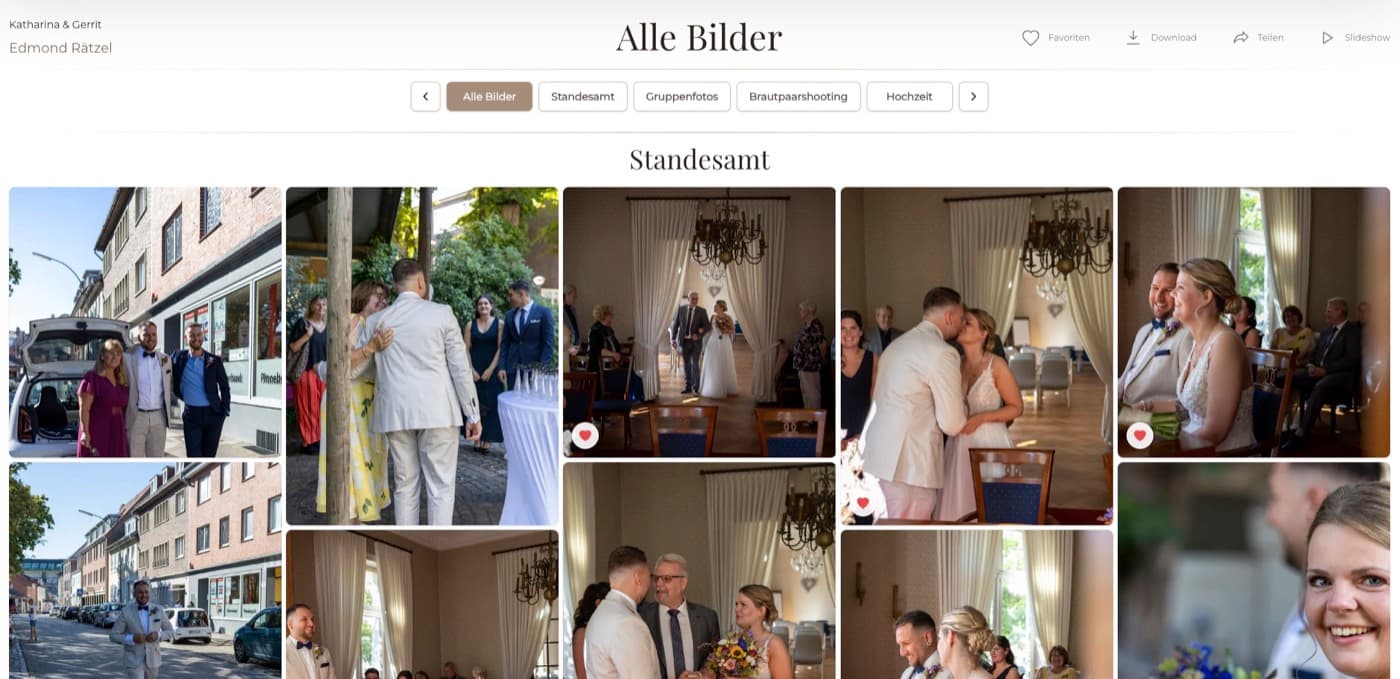
Explain photo usage rights to clients through purpose, duration, media, territory, forwarding, editing, and exclusivity without confusing delivery with permission.
Photo usage rights describe how a client may use photographs; receiving or downloading a file does not by itself explain every permitted purpose. A clear agreement addresses the intended use, time period, media, territory, ability to forward files, editing rules, and whether exclusivity applies. This educational guide helps photographers and clients identify the questions that should be resolved in their own written agreement. GalleryDock can support the practical selection and delivery of approved images through a private gallery, favorites, password access, and controlled downloads. It does not grant a license, generate a contract, interpret law, monitor external publication, or replace advice from a qualified attorney in the relevant jurisdiction.
Scope
Define what the client is actually allowed to do
Specific language reduces the gap between the photographer's expectation and the client's day-to-day marketing or personal use.
01
State the purpose
Describe whether photographs are for private sharing, a company website, social channels, editorial coverage, property marketing, paid advertising, packaging, or another concrete purpose. Broad phrases such as all marketing can hide very different commercial value.
02
List relevant media
Clarify web, social, print, press, outdoor, marketplace listings, internal communications, or advertising as appropriate. Do not assume that naming one channel automatically settles every future format or campaign.
03
Set time and territory
If duration or geography matters, state the period and region in plain language. A local three-month campaign and worldwide indefinite advertising are materially different permissions even when they use the same file.
04
Address exclusivity
Confirm whether the client receives nonexclusive use or a defined exclusive right. Exclusivity affects what the photographer and others may do and should never be inferred merely because the gallery link is private.
Handling
Resolve forwarding, editing, and attribution
Many disputes arise after delivery because operational questions were never included in the written terms.
01
Define forwarding
Explain whether the client may send files to an agency, printer, publisher, venue, employee, marketplace, or other partner, and whether that party may use the photographs independently.
02
Set editing boundaries
Address crops, text overlays, color changes, filters, composites, AI modifications, and other alterations relevant to the assignment. Different contexts need different flexibility, so avoid a rule that neither party can realistically follow.
03
Clarify attribution
State whether a photographer credit is required, preferred, or not necessary for each intended channel. Make the wording and placement practical enough that the client can apply it correctly.
04
Identify the image set
Connect the permission to an invoice, contact sheet, favorite list, gallery collection, or file list so both parties know which photographs are covered. Access to other proofs should not create accidental permission.
Delivery
Use the gallery as evidence of a clean handoff—not as the license itself
Technical controls support an organized process but cannot replace the written agreement or legal review.
01
Confirm terms before release
Complete the appropriate written agreement before or alongside final delivery. If scope changes, record the approved change rather than relying on a conversation that cannot be reconstructed later.
02
Deliver only approved files
Use favorites or a confirmed file list to identify the final set, then check downloads and exports before release. This supports precision without claiming that GalleryDock creates a legal license.
03
Use access controls accurately
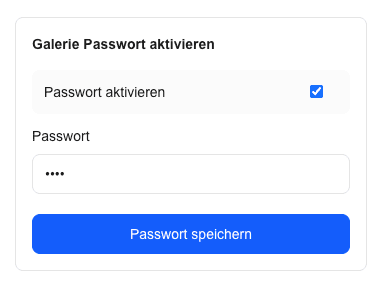
A private link or password limits how the gallery is entered, but recipients may forward access. Technical privacy and legal permission are related operational concerns, not interchangeable concepts.
04
Seek qualified legal advice
Law and contract requirements vary by country, state, client type, and use. This page is general educational information and not legal advice, a contract template, or a substitute for an attorney.
Identify the exact imagesA precise image selection can support the agreement by identifying which photographs are included.Describe the real use caseProperty, product, event, and portrait commissions can require different purposes, audiences, and durations.Control access separatelyPassword access can narrow the intended delivery audience but does not define the legal scope of use.Deliver the approved setRelease the approved files with a clear reference to the written terms that govern their use.
Comparison
Different layers of a photo handoff
Each layer answers a different question and should not be mistaken for another.
Approach
Best for
Tradeoff
Gallery access
Who can open the delivery surface
Does not define legal use
Download permission
Which files can be obtained
Does not define publication scope
Favorite selection
Which images are under consideration
Does not grant a license
Written usage agreement
Purpose, media, time, territory, and restrictions
Must fit the parties and jurisdiction
Legal advice
Specific risk, drafting, and disputes
Requires a qualified professional
Business headshots
Define website, social, recruiting, press, and internal uses, plus whether employees may reuse files independently.
Real-estate assignment
Clarify listing channels, agency forwarding, campaign duration, archival display, and what happens after the property sells.
Private portrait session
Separate personal sharing and printing from commercial promotion, third-party publication, or resale.
Frequently asked questions
Questions about this workflow
Does downloading a photo automatically grant every usage right?
No. File access and legal permission are separate. The applicable agreement should define what uses are allowed.
Which usage-right fields should photographers discuss?
Common fields include purpose, media, duration, territory, forwarding, editing, attribution, and exclusivity.
Does GalleryDock issue photo licenses?
No. GalleryDock supports selection and delivery but does not grant licenses, generate contracts, or interpret agreements.
Does a password define who may legally use the images?
No. It is an access control. The written terms determine permission, and recipients may still forward credentials.
Can clients edit delivered photographs?
That depends on the specific agreement. Crops, filters, overlays, composites, and AI changes should be addressed in terms appropriate to the assignment.
Is this page legal advice?
No. It is general educational information. Consult a qualified attorney for drafting, jurisdiction-specific questions, or disputes.