01
Choose a clear focal point
Use the horse's eye, head, movement, relationship with the rider, or full-body silhouette as the unmistakable center of the image.
Equine wall art
Turn a strong horse portrait or movement photograph into a focused large-format wall art offer with deliberate crop, scale, room preview, cart, and checkout.
Quick answer
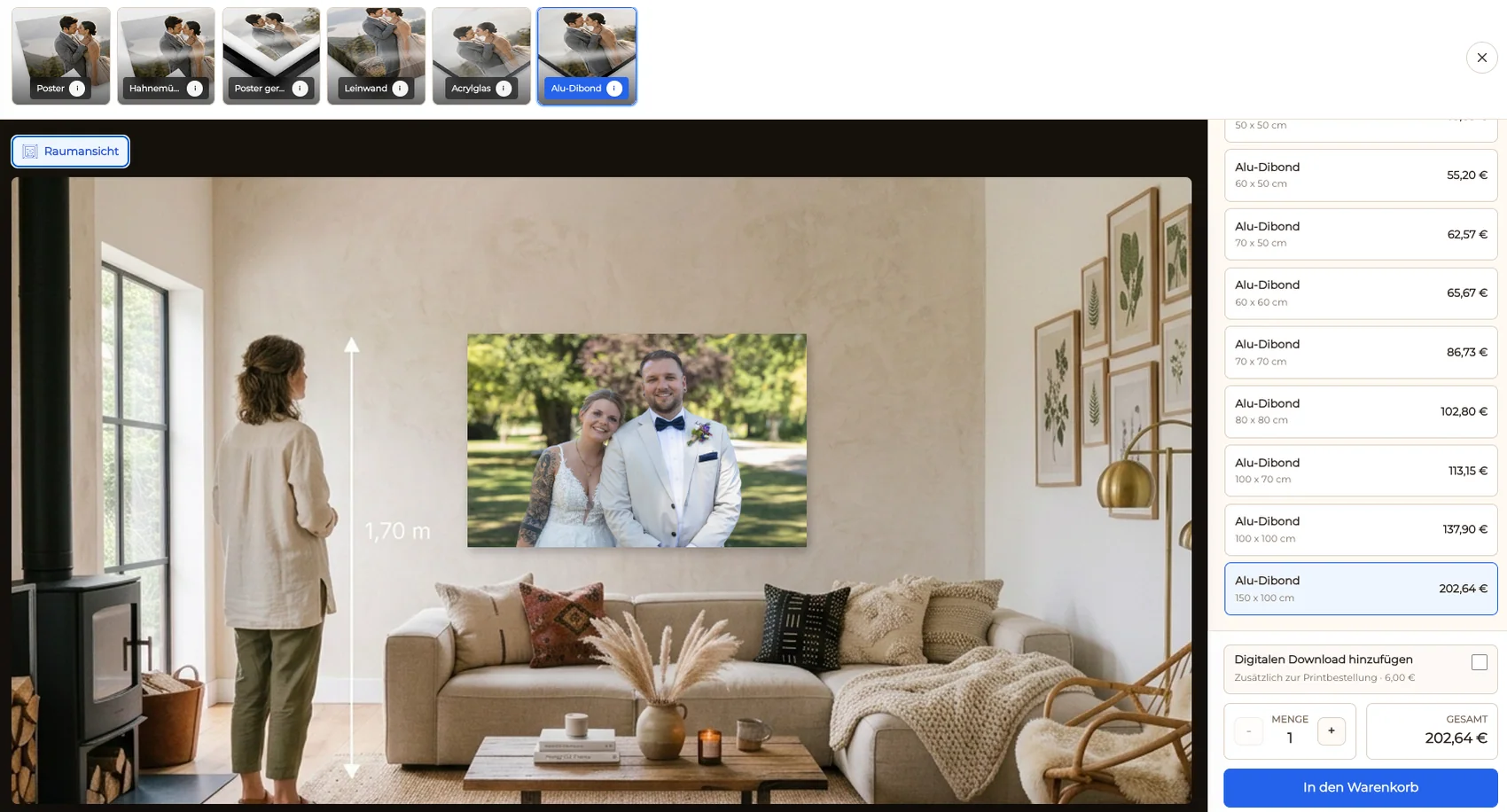
Large-format equine photography works when the photograph still feels intentional after it moves from a gallery image to a dominant wall piece. The photographer begins with a finished horse portrait, movement image, or full-body composition that can hold attention at scale. In GalleryDock, that image can be connected to a focused wall-art product, suitable sizes, a visible crop and safe area, room-scale preview, cart, and checkout. The photographer checks that ears, muzzle, legs, mane, tail, rider, negative space, and direction of movement remain believable in the selected orientation. This page focuses on one large wall-art buying decision, not a broad fine-art edition strategy or a generic material catalog. Digital files and physical prints can both be sold when activated, without promising every material, dimension, production method, delivery country, or turnaround time.
Image choice
The strongest large piece has a clear subject, controlled background, and enough visual structure to survive a bigger scale.
01
Use the horse's eye, head, movement, relationship with the rider, or full-body silhouette as the unmistakable center of the image.
02
Inspect focus, motion rendering, coat detail, mane, tack, and important shadow areas at the intended output scale.
03
Keep enough room in front of a moving horse and avoid compressing the composition until the motion feels trapped.
04
Choose a finished edit whose fence lines, arena clutter, spectators, or background highlights do not compete with the animal.
Format and crop
A crop that works on screen can feel abrupt when ears, hooves, legs, or tail approach a wall-art edge.
01
Check whether the composition is a deliberate head portrait, half-body image, or full-body view rather than an accidental crop.
02
Match orientation to the horse's posture, movement, gaze, and the wall area the client wants to fill.
03
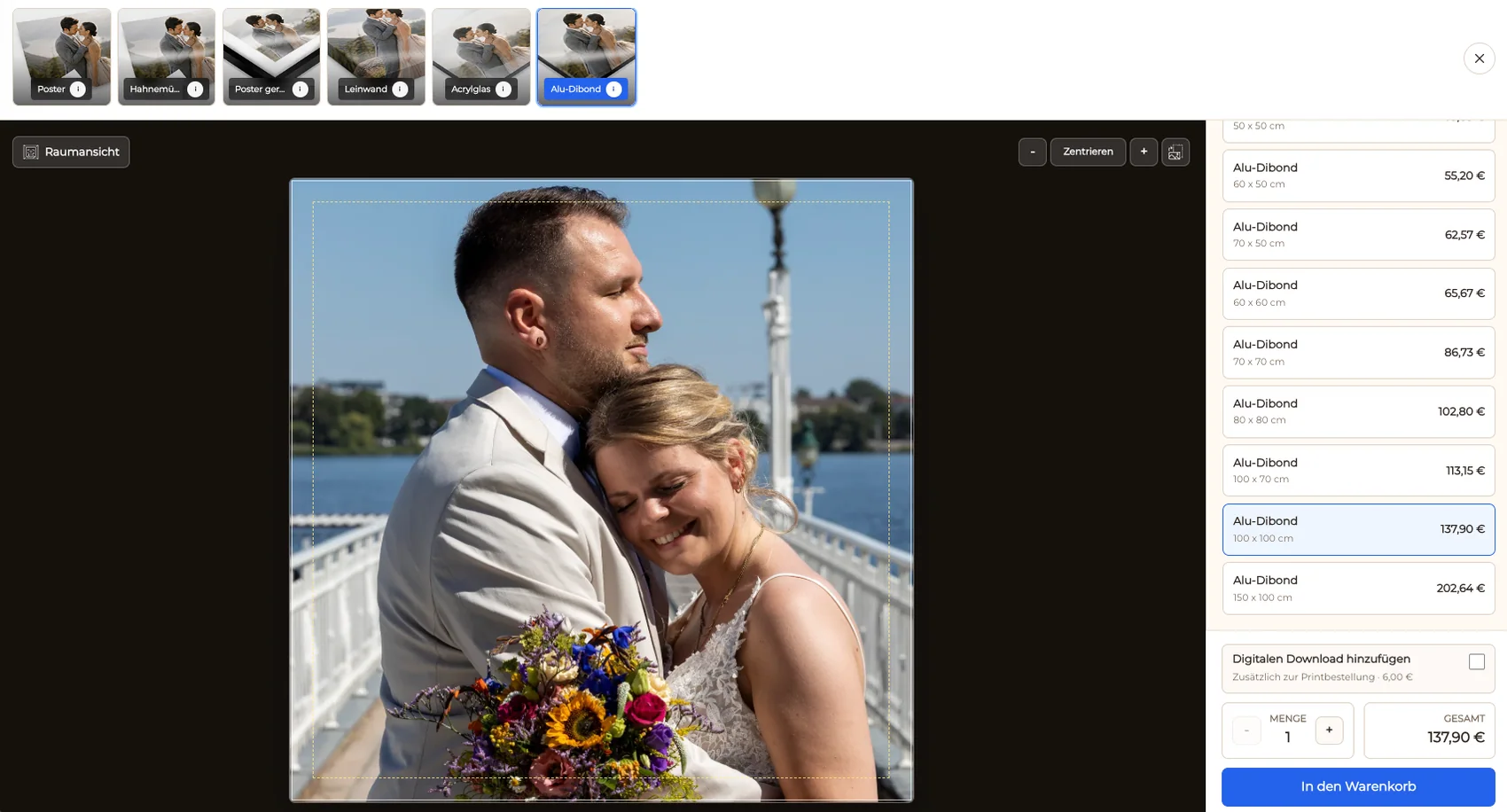
Review the visible crop and safe zone for ears, muzzle, hooves, rider, reins, mane, tail, and meaningful negative space.
04
Let the client compare the piece against a human scale and wall context before deciding that a large size fits the room.
Gallery sale
The buyer should see the image, product, size, orientation, crop, quantity, and price as one complete decision.
01
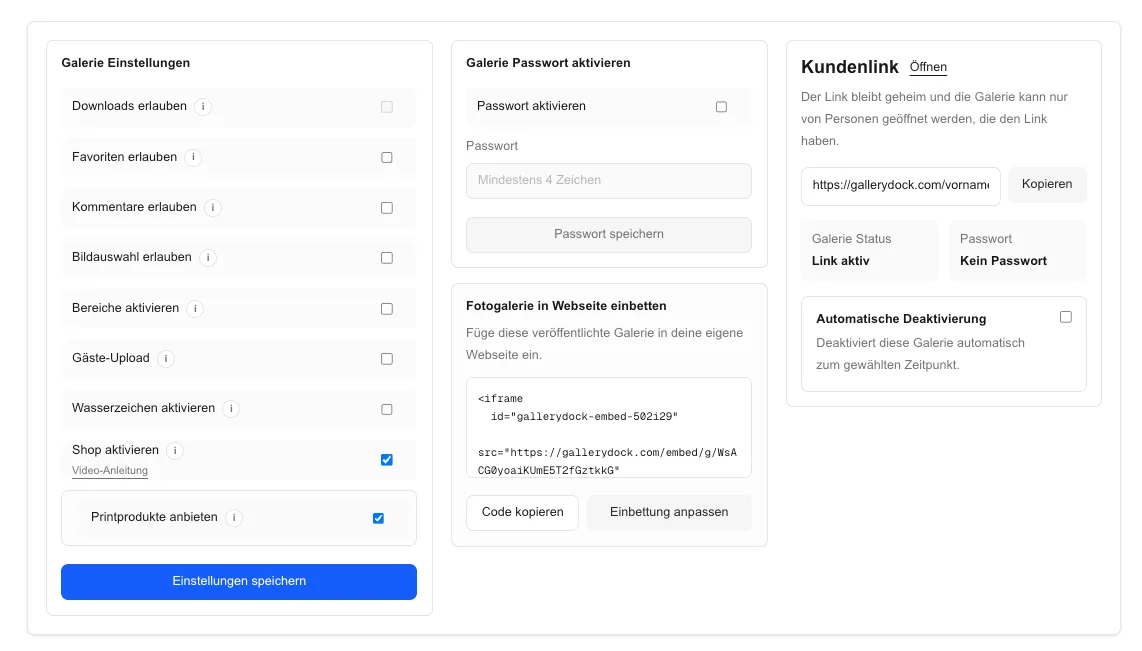
Choose the wall-art products and sizes that fit the finished equine photograph instead of publishing every available combination.
02
Describe whether the piece suits a home, stable office, reception area, riding facility, or another client space.
03
Keep a digital file and the large wall piece visibly distinct when both are sold in the same gallery.
04
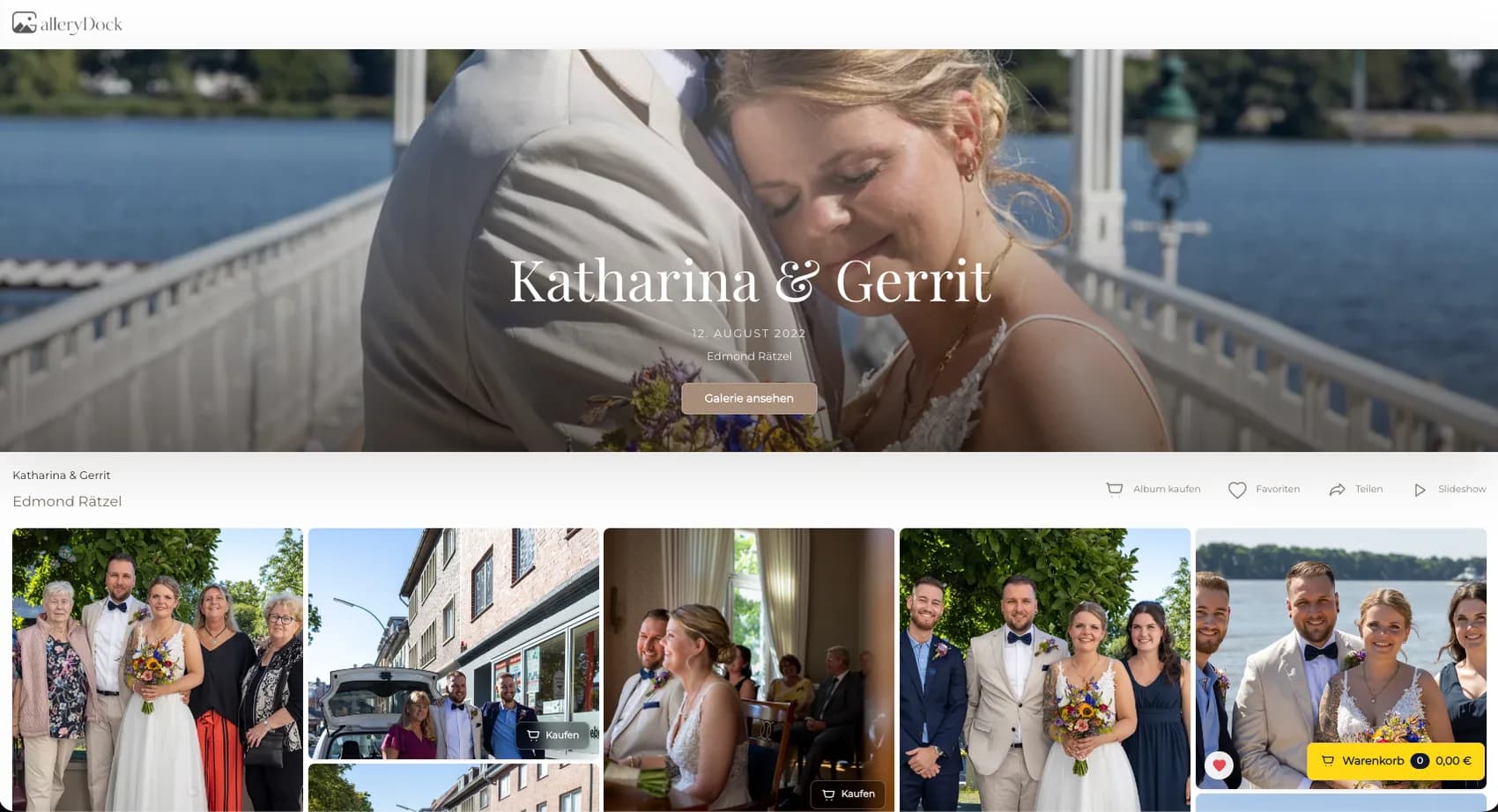
Open the public gallery on desktop and mobile, configure the piece, review the cart, and confirm the intended checkout flow.
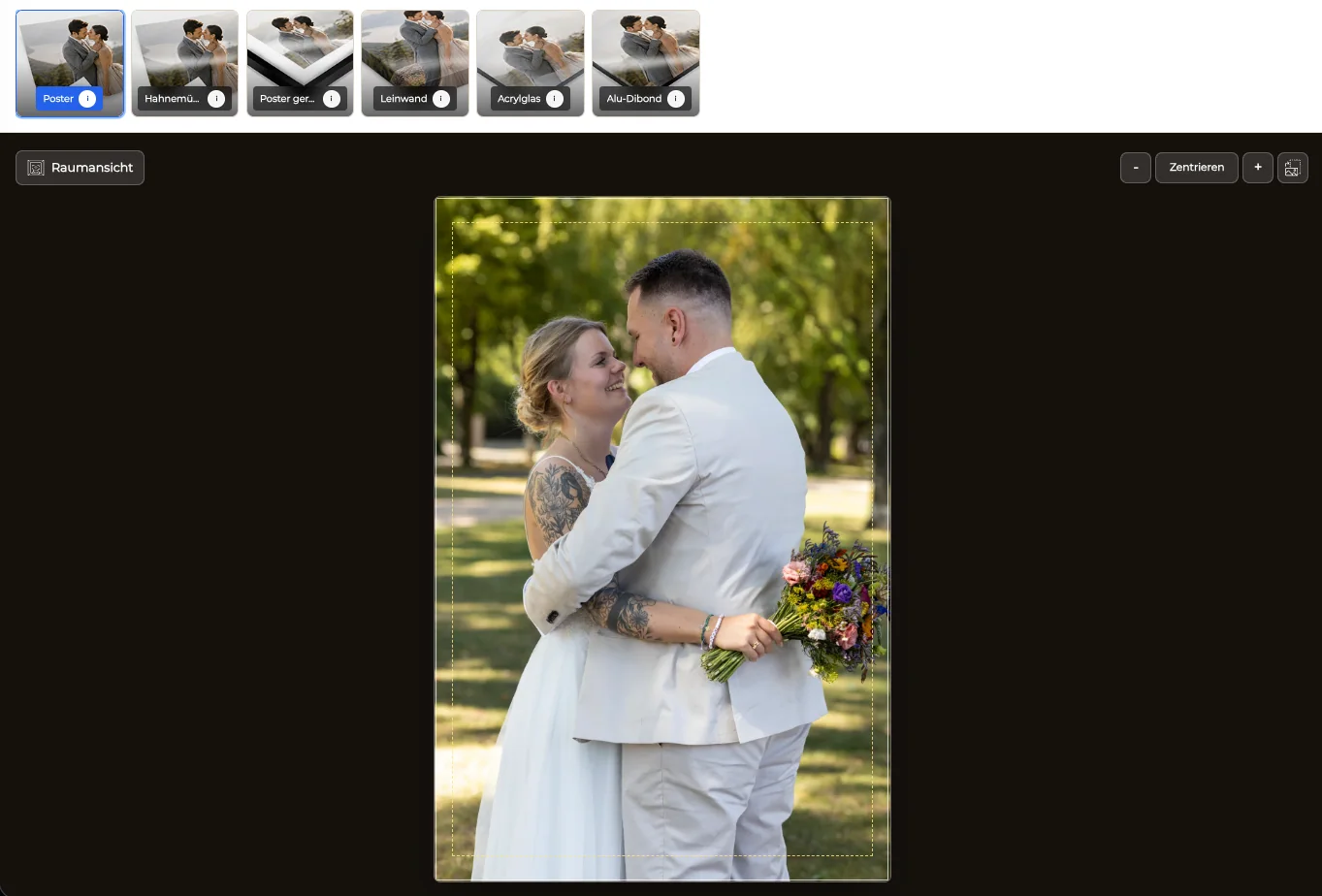
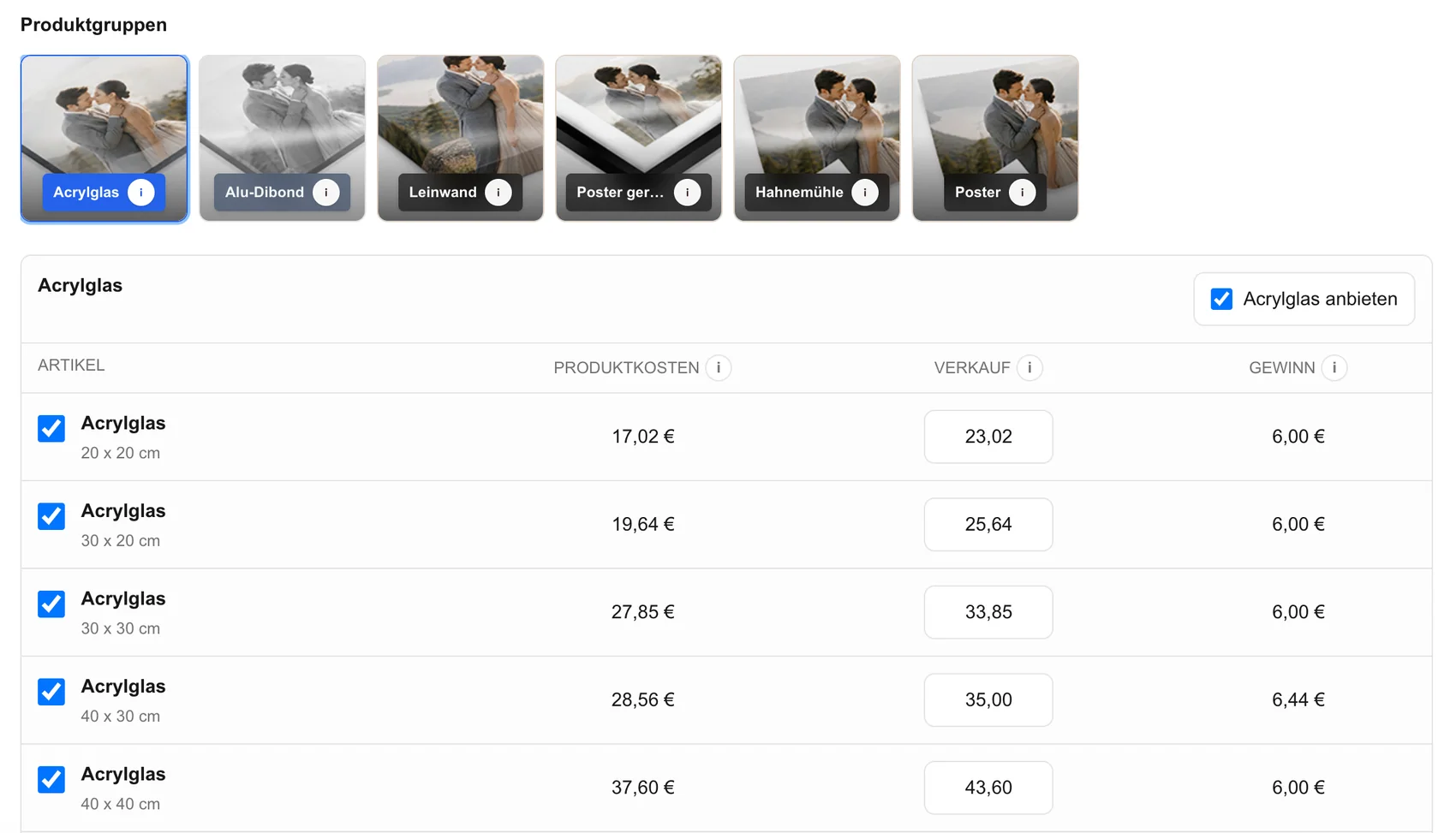
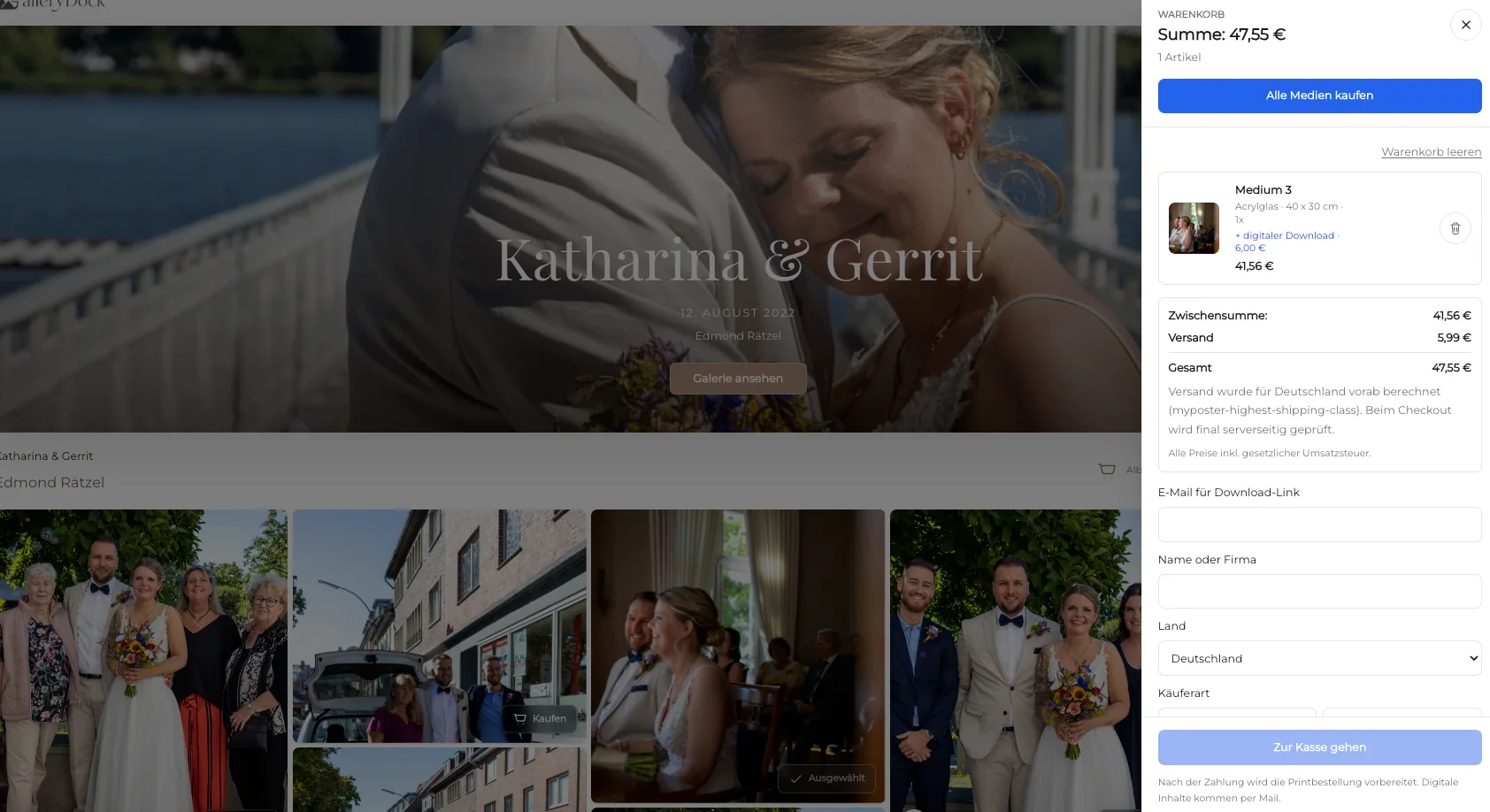
Comparison
The subject, room, and client goal determine whether a large wall piece or another format fits best.
| Approach | Best for | Tradeoff |
|---|---|---|
| Large-format wall art | One commanding equine image | Demands strong detail, crop, and room scale |
| Smaller framed print | Flexible placement and gifts | Creates less visual impact at distance |
| Multi-image collection | A story across portraits and movement | Requires consistent sequencing and spacing |
| Digital file | Screen use and separate production | Does not provide a finished physical display |
| Fine-art series | A broader curated body of work | A different offer from one client wall piece |
A quiet horse portrait uses the eye and facial detail as the focal point while leaving safe space around ears and muzzle.
A canter or gallop image keeps room in the direction of travel and uses a landscape wall format.
A finished relationship portrait protects both subjects, tack, hands, and reins when the crop changes.
Frequently asked questions
Choose finished images with a clear focal point, dependable detail, intentional anatomy, controlled background, and enough space for the intended crop.
Review every offered size and orientation in the crop preview and safe area instead of assuming one composition fits all formats.
Use the room preview and a recognizable scale reference, then relate the dimensions to the actual wall and viewing distance.
Yes. GalleryDock supports digital sales and physical print sales when those products are activated for the gallery.
No. Offer the products and dimensions currently available for the gallery and verify the configured choice before publishing it.
Related resources
Pricing
Free forever
0 EUR
EUR 0 per month
Perfect for sharing your first galleries professionally.
Start free, no credit card required
Monthly
19 EUR
EUR 228 billed yearly. plus VAT
Ideal for photographers who regularly deliver client galleries.
For regular client delivery
Monthly
29 EUR
EUR 348 billed yearly. plus VAT
For photographers managing many projects, videos and growing storage.
For regular client delivery
Choose the finished photograph, narrow the products and sizes, protect the crop, and test the complete gallery order path.
Create a free account