01
Choose the visual anchor
Select the frame whose light, posture, background, and emotional presence can carry attention without the rest of the sequence.
equine photography fine art prints
Sell equine photography fine art prints by curating one leading image, protecting anatomical crops, and testing product, cart, and checkout choices.
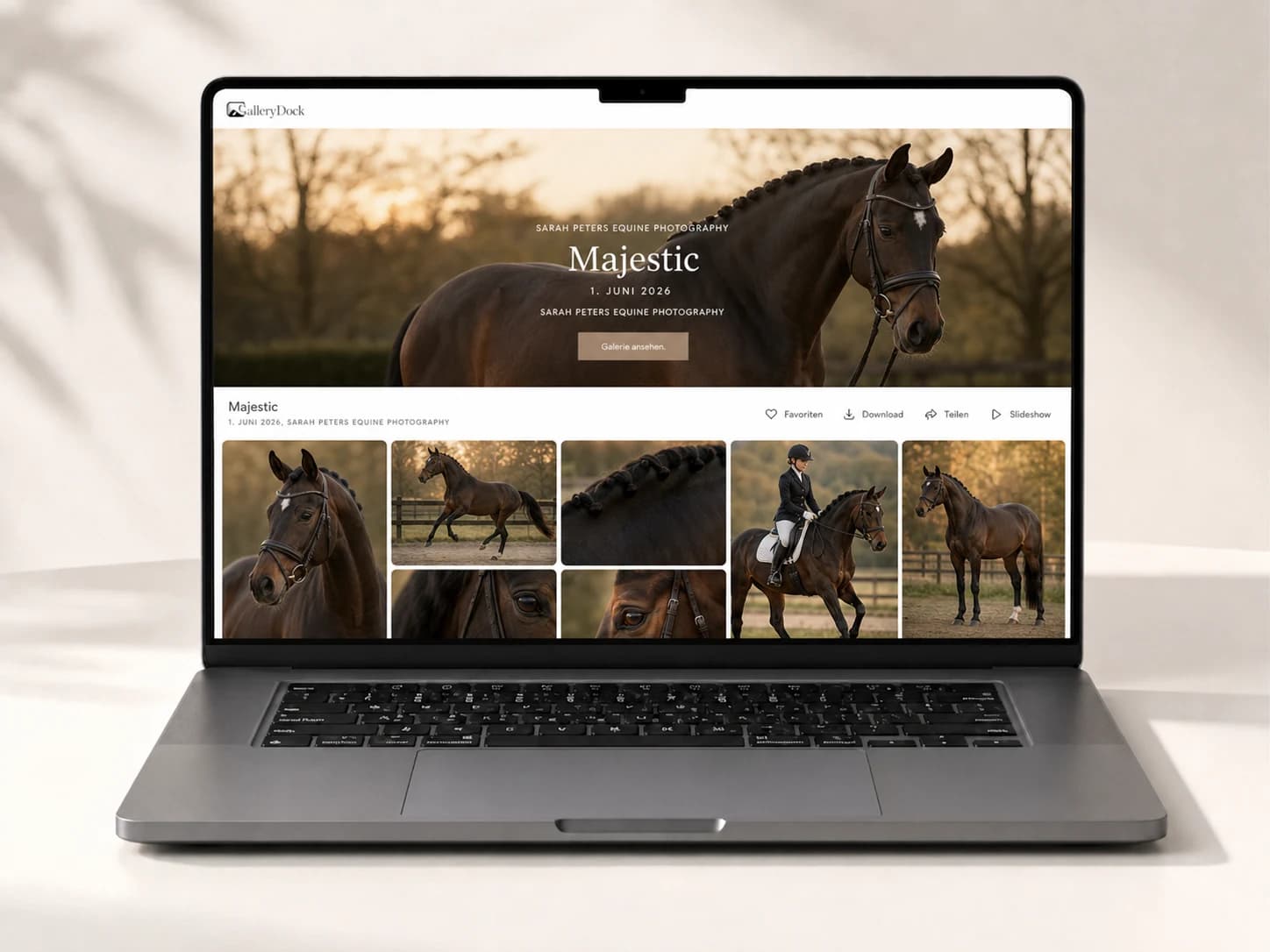
Quick answer
Selling equine photography fine art prints turns an individual horse session into a deliberately curated physical work rather than presenting every gallery frame as an equal print candidate. Start with one representative client project and decide what the visitor should understand, select, or buy before the page is assembled. GalleryDock maintains the gallery experience, contextual favorites and comments, controlled downloads, and digital or physical print sales when those options are configured. The website or shared link provides the surrounding entry, while the photographer remains responsible for the offer, access decisions, image suitability, product setup, and the published client check. Test the complete path on desktop and mobile instead of relying on an editor preview. This guide does not promise limited editions, certificates, museum-grade paper, archival longevity, a named manufacturer, fixed fulfillment times, legal or tax outcomes, or guaranteed demand.
Curate
A fine art offer needs a stronger edit than a complete session gallery.
01
Select the frame whose light, posture, background, and emotional presence can carry attention without the rest of the sequence.
02
A quiet horse portrait emphasizes character; a movement image depends on timing, direction, and available space. Decide which quality leads the piece.
03
When both appear, preserve the gesture and relationship rather than cropping the human or horse into an incidental fragment.
04
Inspect detail, noise, retouching, and tonal transitions at the intended print scale before adding the image to the product set.
Format
Orientation and crop should support the horse's structure rather than fight it.
01
Use portrait orientation for a vertical stance or close relationship when it fits; use landscape space when movement and environment need room.
02
Check ears, muzzle, legs, hooves, mane, and tail against the safe area. Avoid accidental cuts that weaken an otherwise strong frame.
03
Keep space in the direction the horse is moving or looking so the print remains balanced at a larger scale.
04
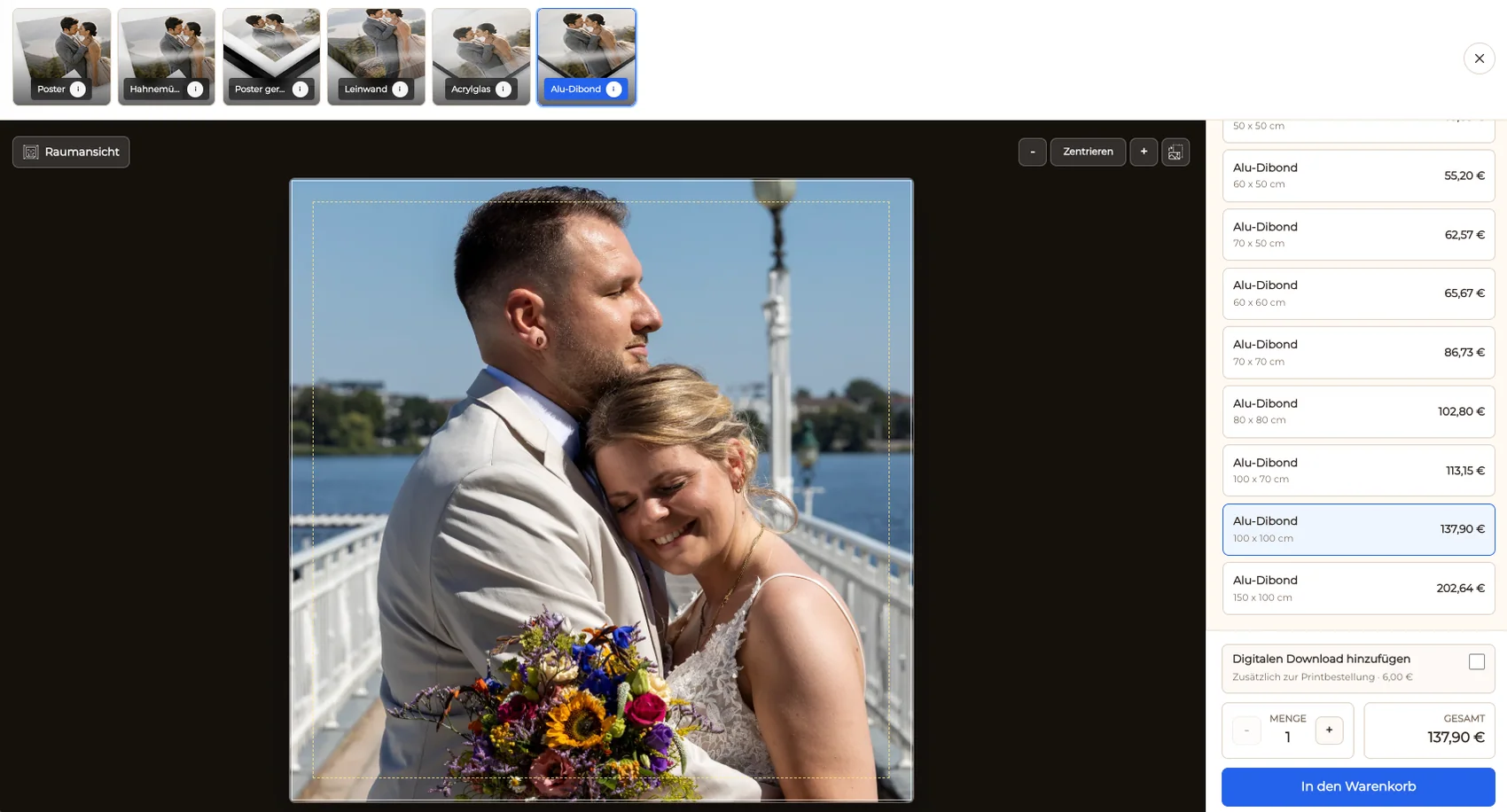
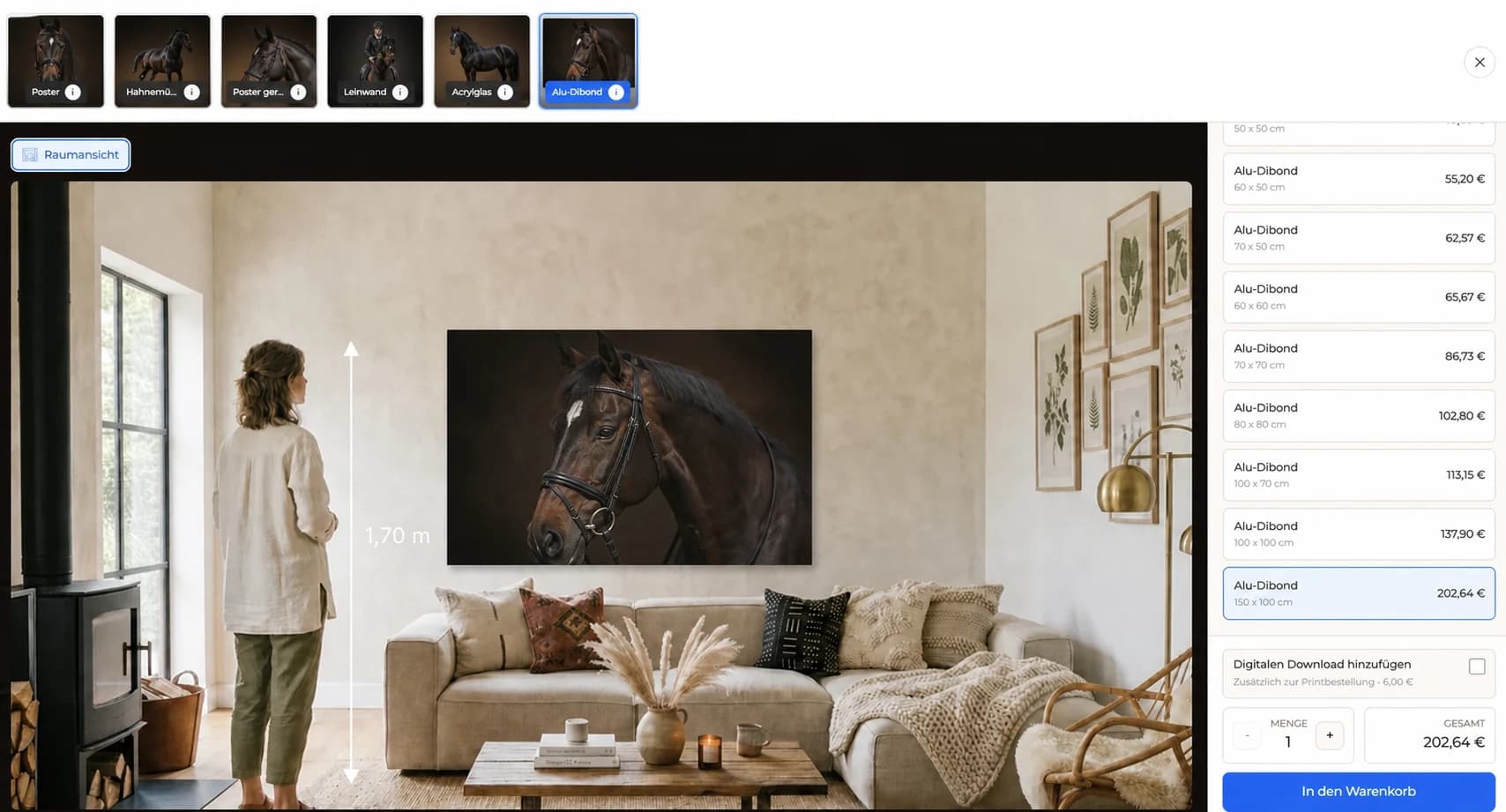
Use room context and actual dimensions to help the client understand scale without promising a particular material or installation result.
Present
The product choice should reinforce the curated image instead of distracting from it.
01
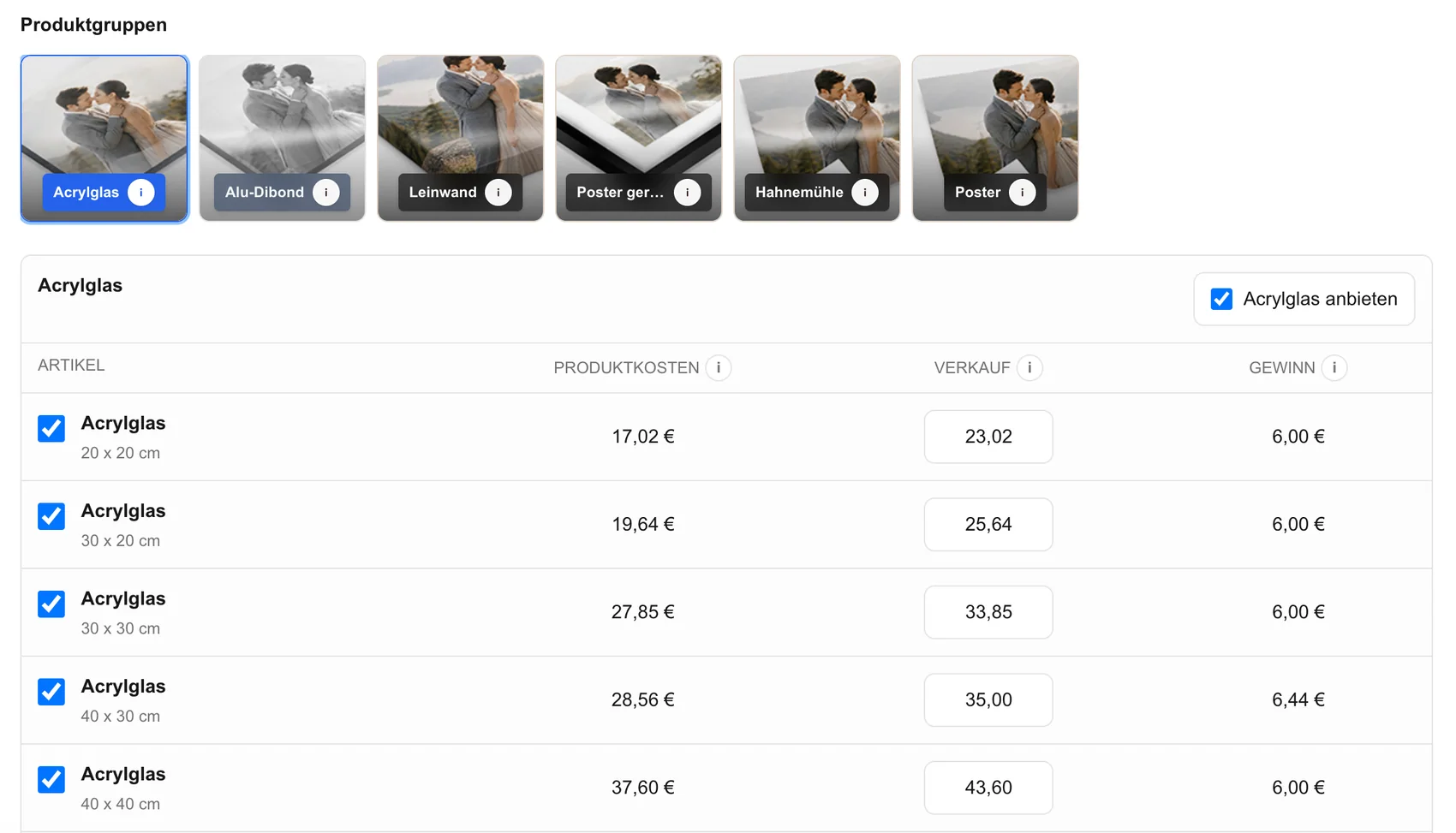
Configure formats and sizes that respect the selected work. A smaller, defensible set is easier to understand than every possible option.
02
Describe the photograph, format, and client decision without inventing edition status, paper composition, certification, or longevity.
03
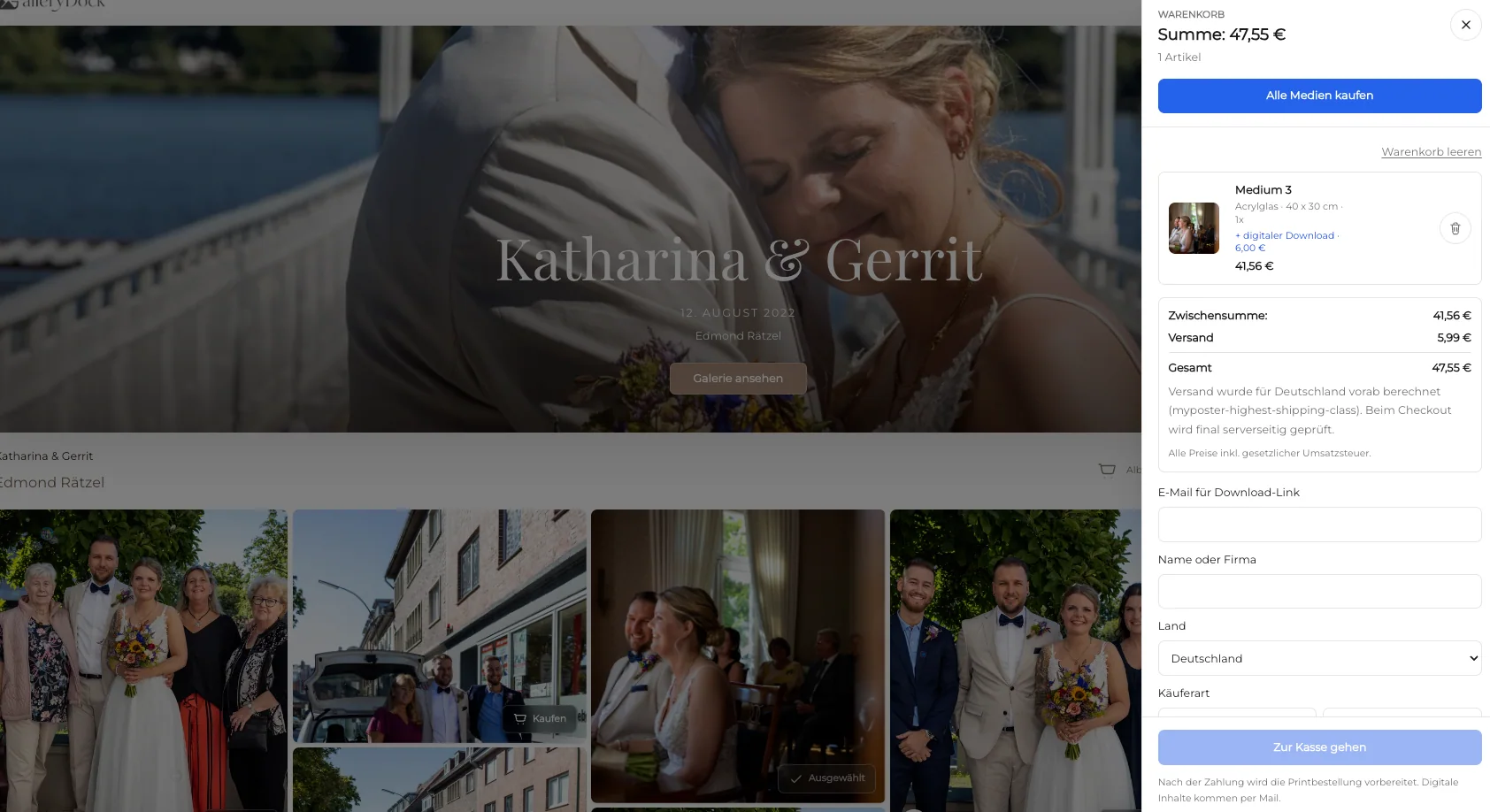
Confirm the image, orientation, size, crop, and price before the client reaches the checkout handoff.
04
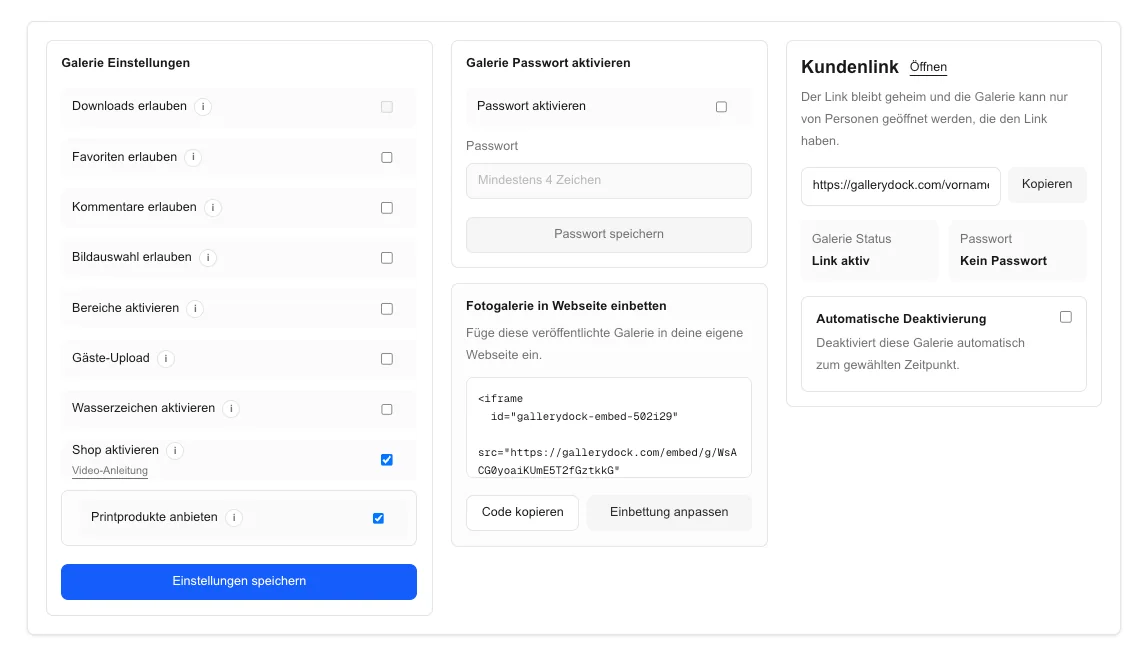
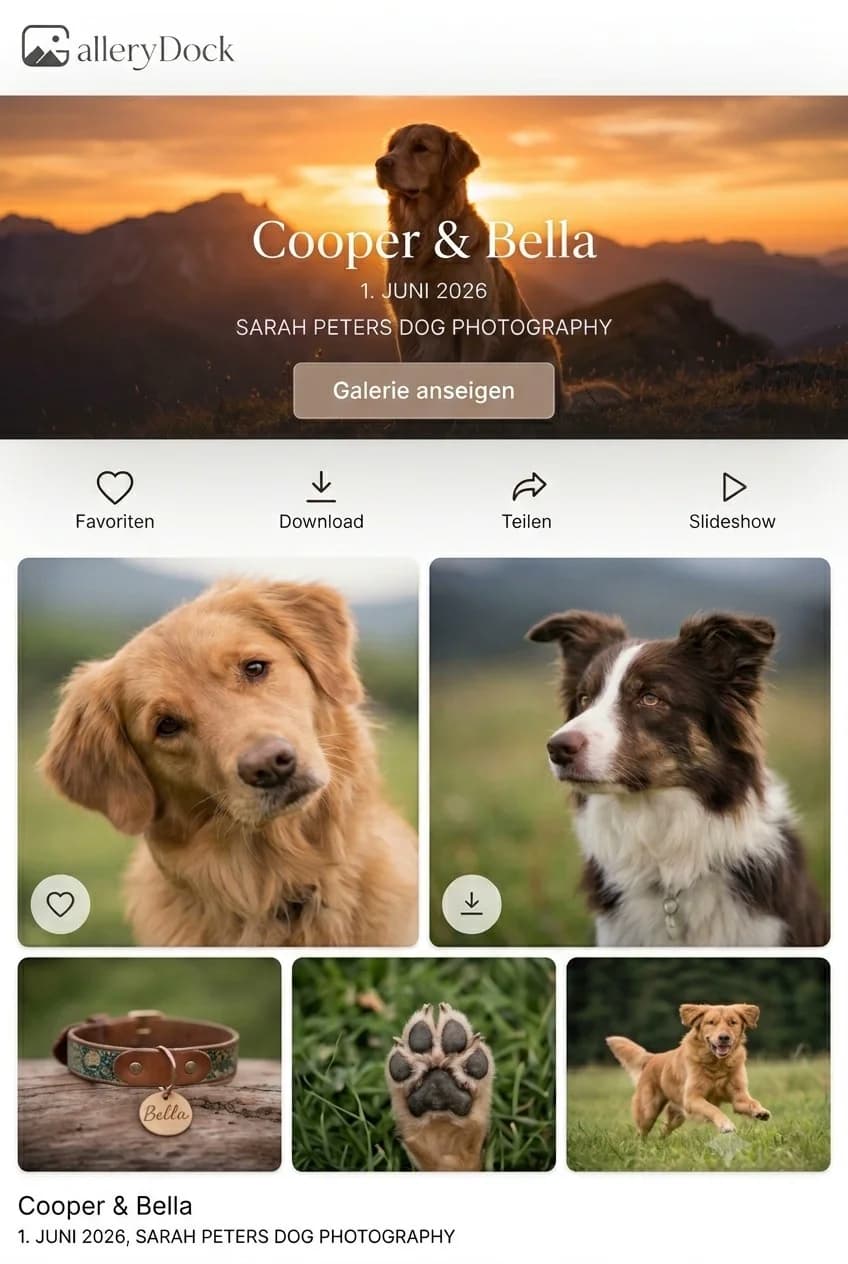
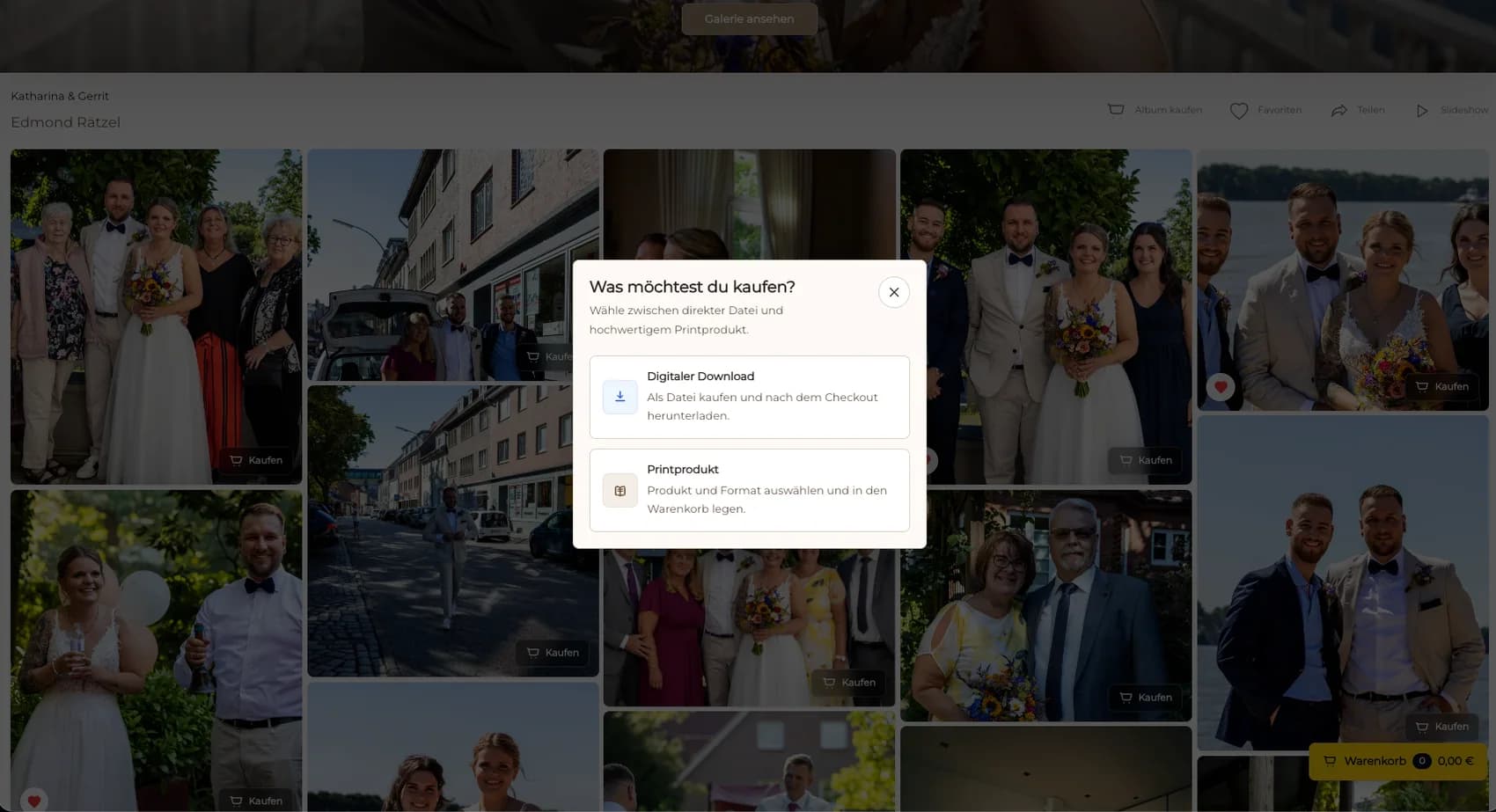
Open the gallery through the intended client entry, repeat the choice on a phone, and stop after confirming the checkout redirect.
Comparison
Start from the image and viewing purpose rather than from prestige language.
| Approach | Best for | Tradeoff |
|---|---|---|
| Curated fine art print | One equine image presented as the leading work | Needs strict image and crop selection |
| Large-format wall print | A horse image intended for strong room presence | Requires a separate scale and output decision |
| Canvas product | A wrap-aware wall presentation | Different edge and material considerations |
| Digital file | Personal access without a finished physical product | Leaves output decisions to the client |
| Complete session album | A sequence of horse and owner moments | Outside this single-print workflow |
A controlled portrait with careful light becomes the central fine art choice.
A canter or gallop image keeps direction, legs, mane, and environmental space intact.
The selected crop preserves the connection between both subjects for a personal wall piece.
Frequently asked questions
Look for the strongest combination of posture, light, background, technical detail, and emotional presence.
Leave visual room in the direction of travel or gaze and confirm the crop in the actual product format.
Preserve the interaction and avoid awkward cuts through faces, hands, ears, joints, legs, or hooves.
Match portrait or landscape orientation to the pose, relationship, room, and available image detail.
Yes, when both choices are configured and explained without implying they are the same product.
Related resources
Pricing
Free forever
0 EUR
EUR 0 per month
Perfect for sharing your first galleries professionally.
Start free, no credit card required
Monthly
19 EUR
EUR 228 billed yearly. plus VAT
Ideal for photographers who regularly deliver client galleries.
For regular client delivery
Monthly
29 EUR
EUR 348 billed yearly. plus VAT
For photographers managing many projects, videos and growing storage.
For regular client delivery
Choose the visual anchor, protect anatomy and motion in the crop, configure a restrained product set, and test the client order path without unsupported fine art claims.
Create a free account