Do you need Pic-Time’s broader automated print-store ecosystem, or a focused assignment gallery in which the photographer explicitly configures and owns the sale?
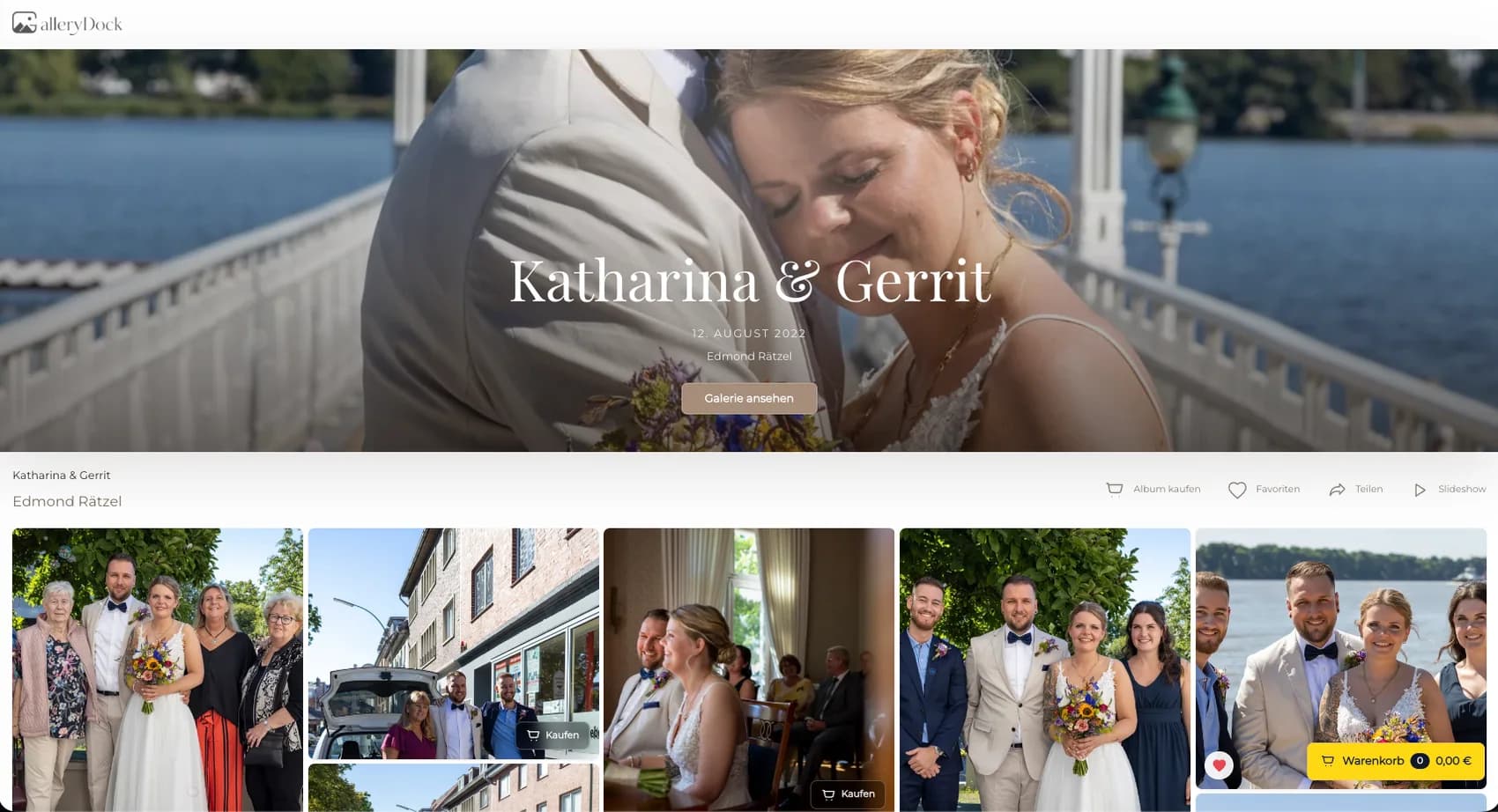
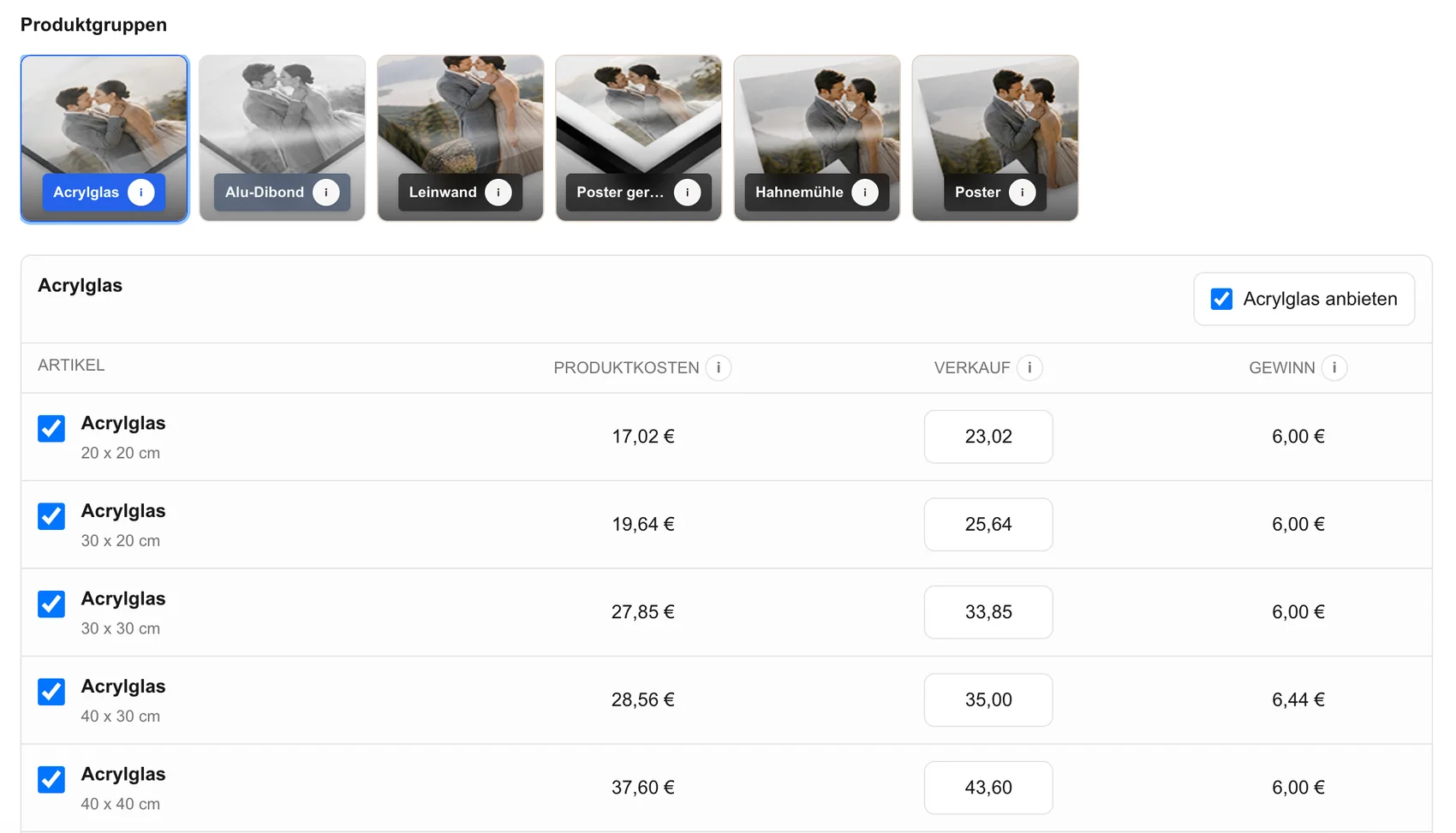
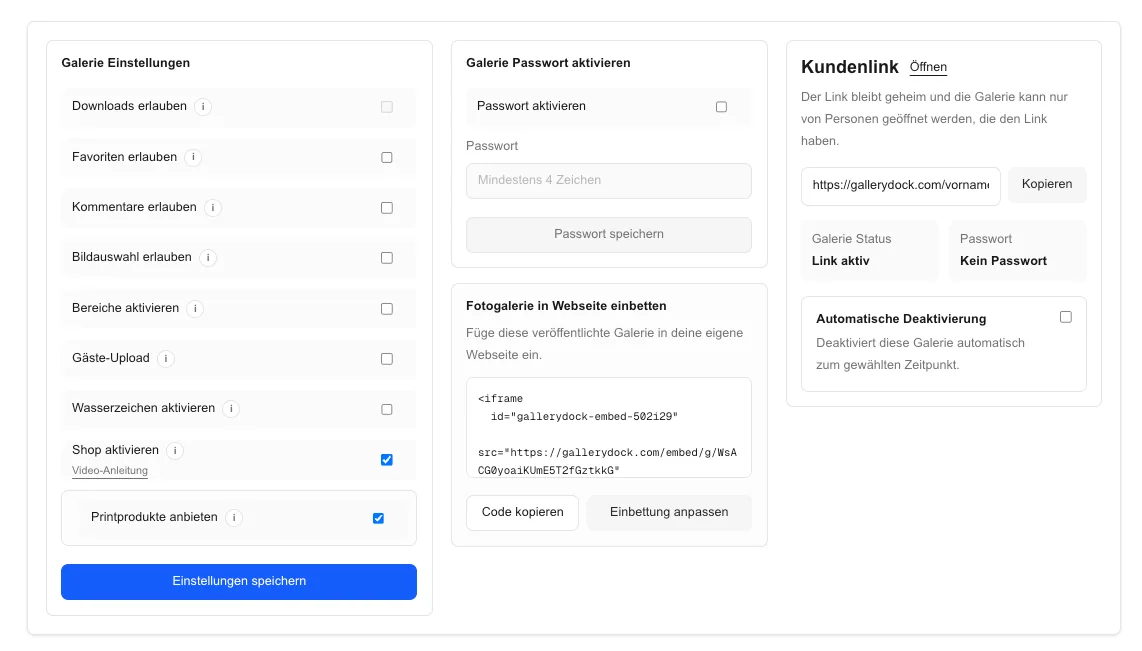
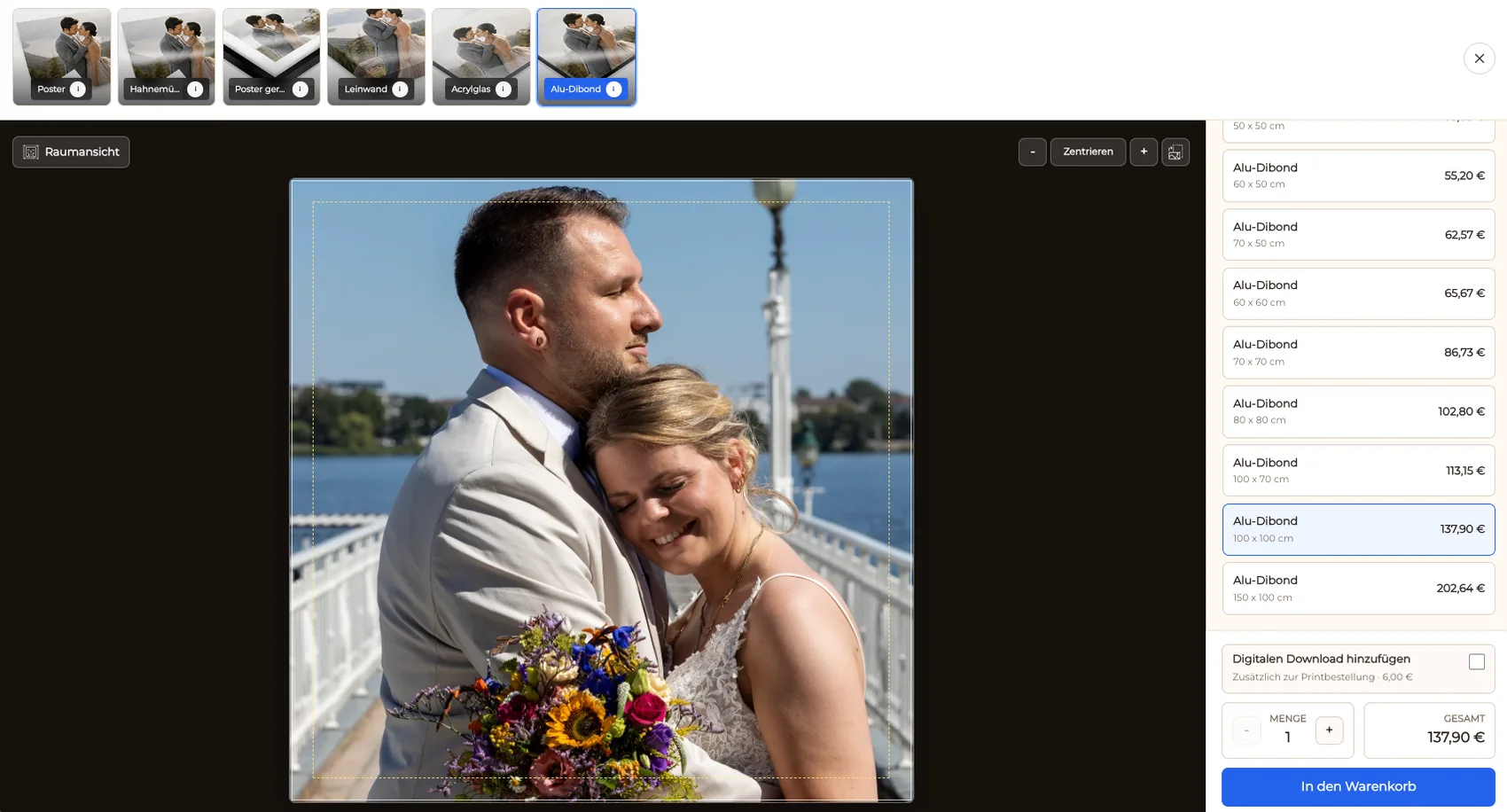
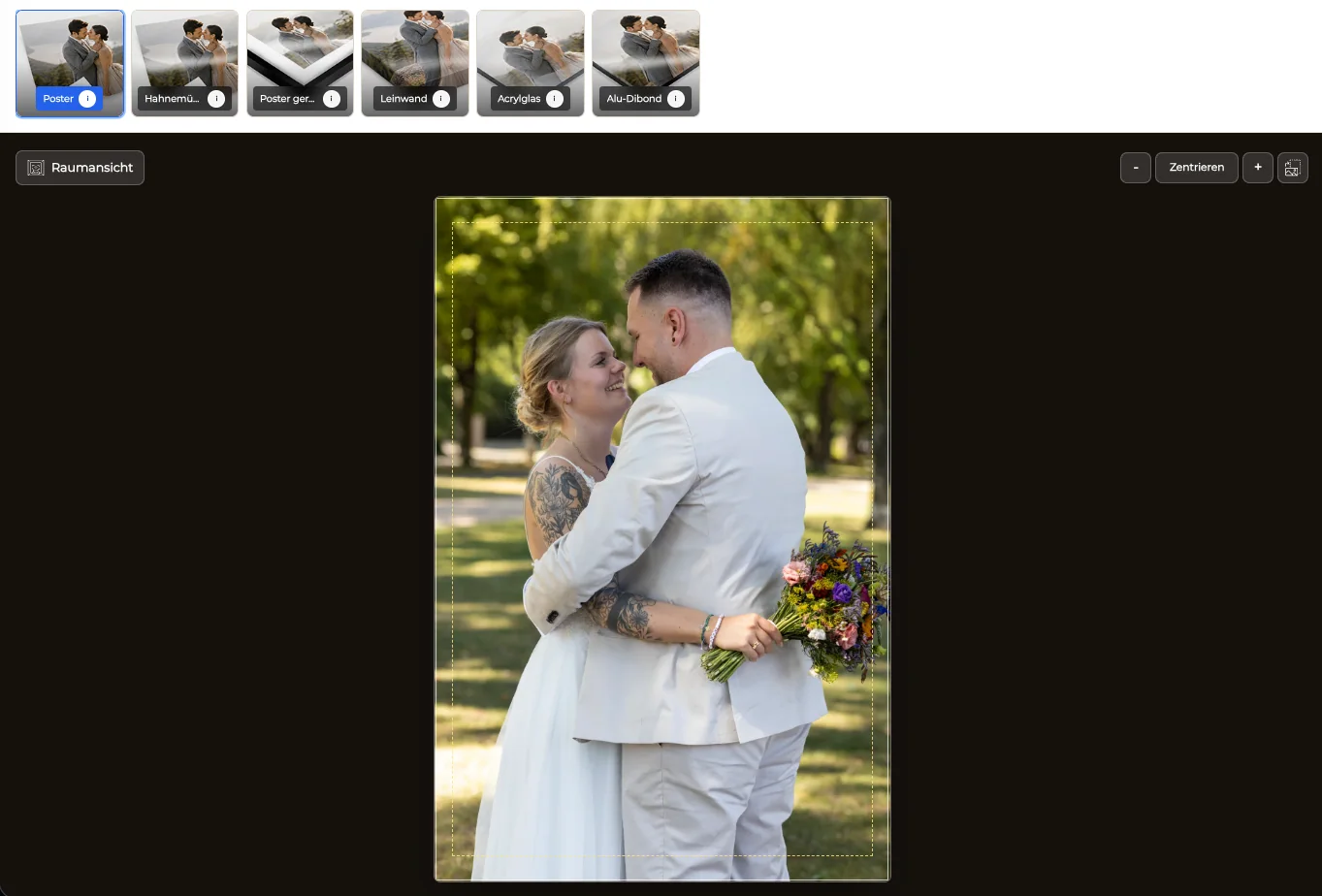
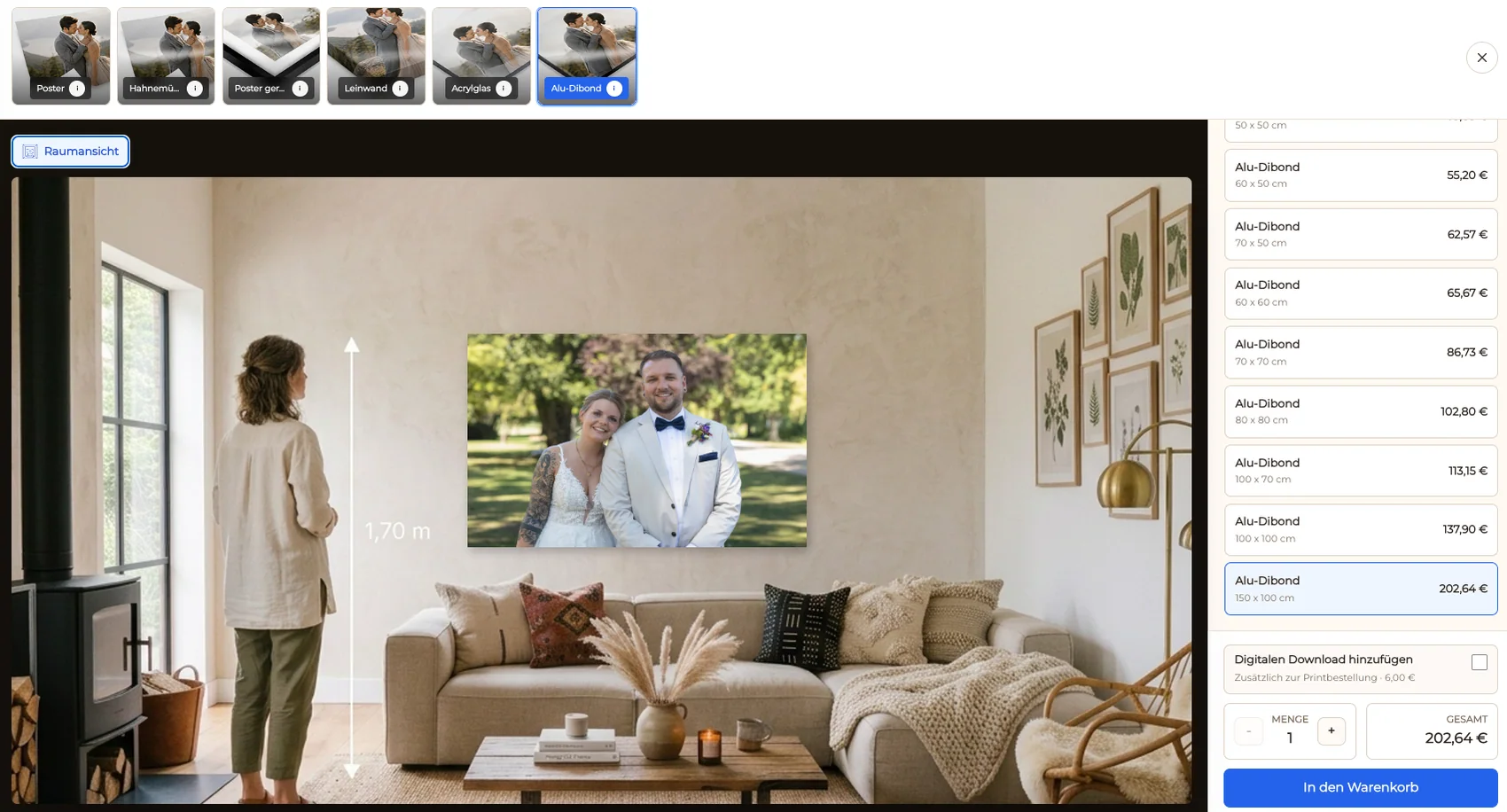
A Pic-Time print store alternative should be chosen by the operating model behind the sale: a broad gallery-and-marketing ecosystem or a deliberately configured client gallery where the photographer controls eligible images, products, prices, and the production handoff. GalleryDock does not reproduce Pic-Time’s documented marketing automations, lab network, product catalog, campaigns, apps, integrations, production, shipping, or support, and it makes no feature-parity claim.
What should I test before changing the workflow?
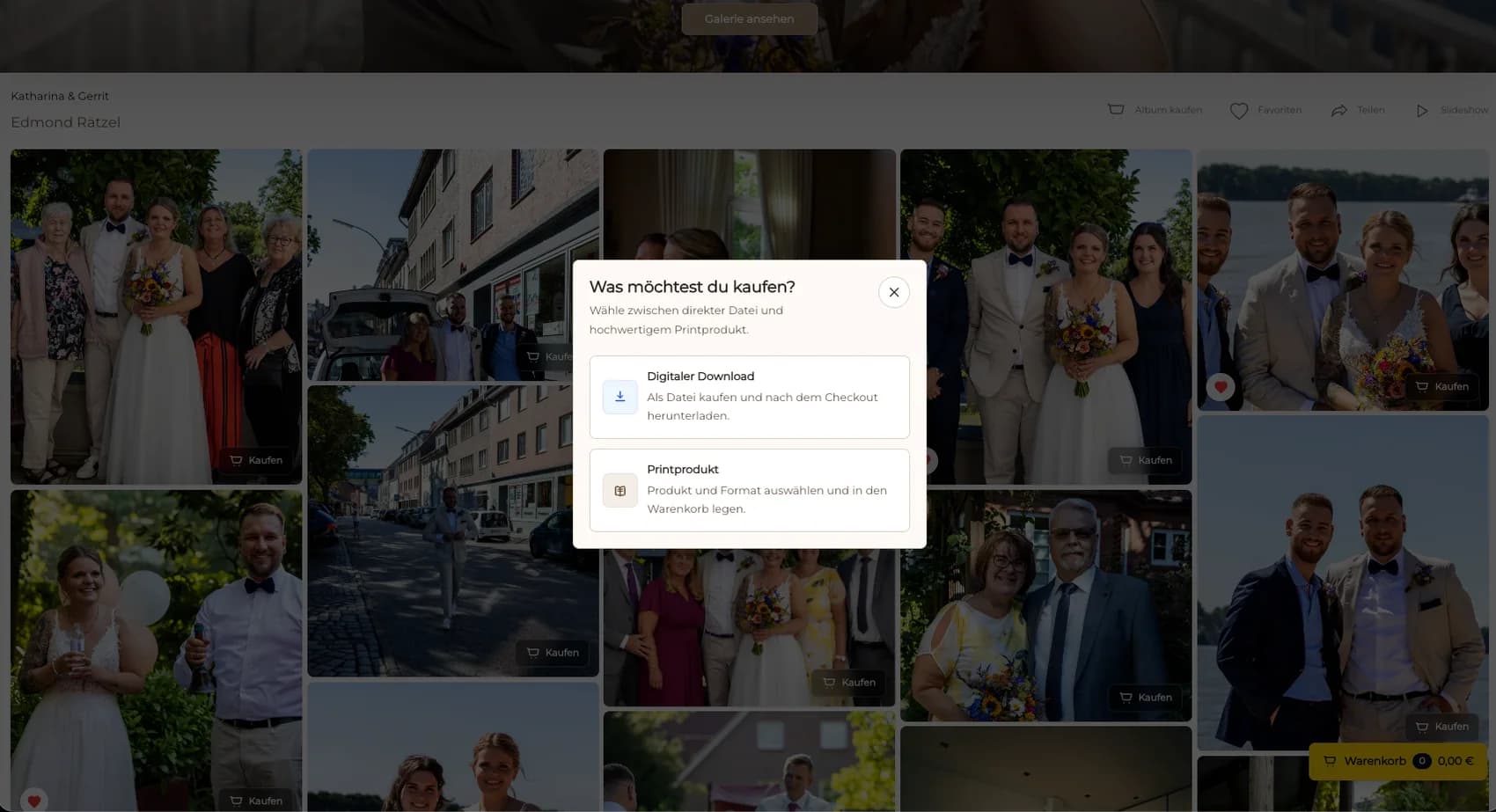
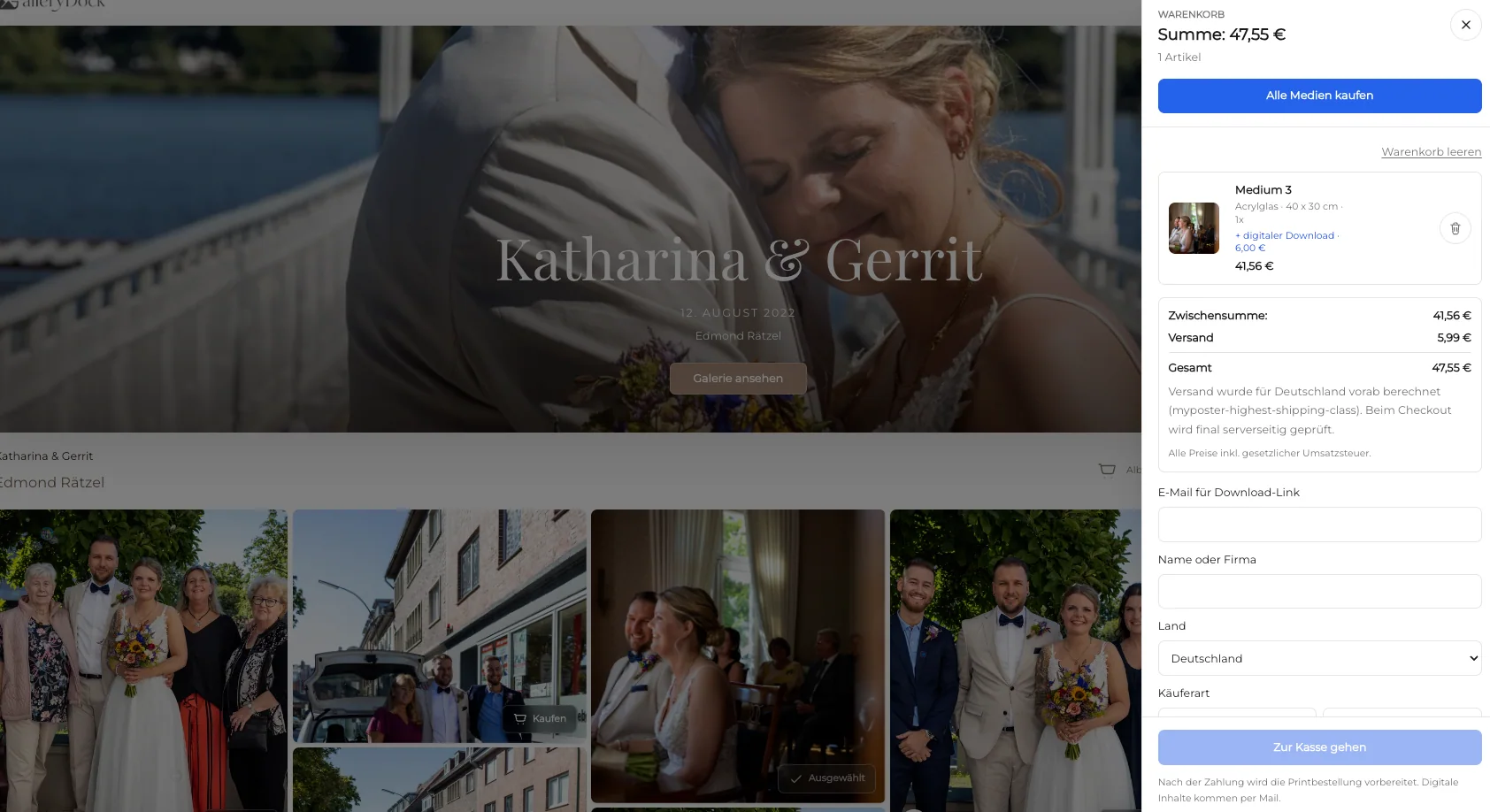
Use current official Pic-Time product information, the signed client package, the GalleryDock configuration, a dated product list, and one complete representative order. Test the intended client action, mobile behavior, support, and closeout. Keep the current route until a representative client completes the new path.
Does GalleryDock replace storage, backup, accounting, or a CRM?
No. Pic-Time owns its documented platform, store, automation, and provider relationships; the photographer owns GalleryDock gallery eligibility, product setup, customer prices, production route, client communication, and exceptions. Source files, redundant backups, contracts, invoices, accounting, tax decisions, licensing records, and legal documentation remain in the systems responsible for them.
Can I promise the same features as the compared provider?
No. GalleryDock does not reproduce Pic-Time’s documented marketing automations, lab network, product catalog, campaigns, apps, integrations, production, shipping, or support, and it makes no feature-parity claim. Provider capabilities, plans, fees, limits, automation, integrations, fulfillment, and policies can change. Verify material facts at decision time and describe only the capability actually tested.
How should I introduce the new client path?
Start with one reversible paid-work pilot. Explain available client actions, included and optional items, and support. Preserve the previous link and source records until closeout.
How do I know the workflow is successful?
Measure correct image-to-product matching, understandable customer choices, known production ownership, fewer manual order messages, recoverable records, and no unsupported automation expectation. Review several completed assignments instead of relying on a demo, one enthusiastic client, or a feature checklist.