01
Lead with one visual event
Choose the boat profile, crew action, spray, wake, or harbor geometry that gives the photograph an immediate center of attention.
Sailing photography wall art
Curate sailing and boat photographs, protect mast, horizon, and motion in the crop, and guide clients from room preview to an acrylic wall-art order.
Quick answer
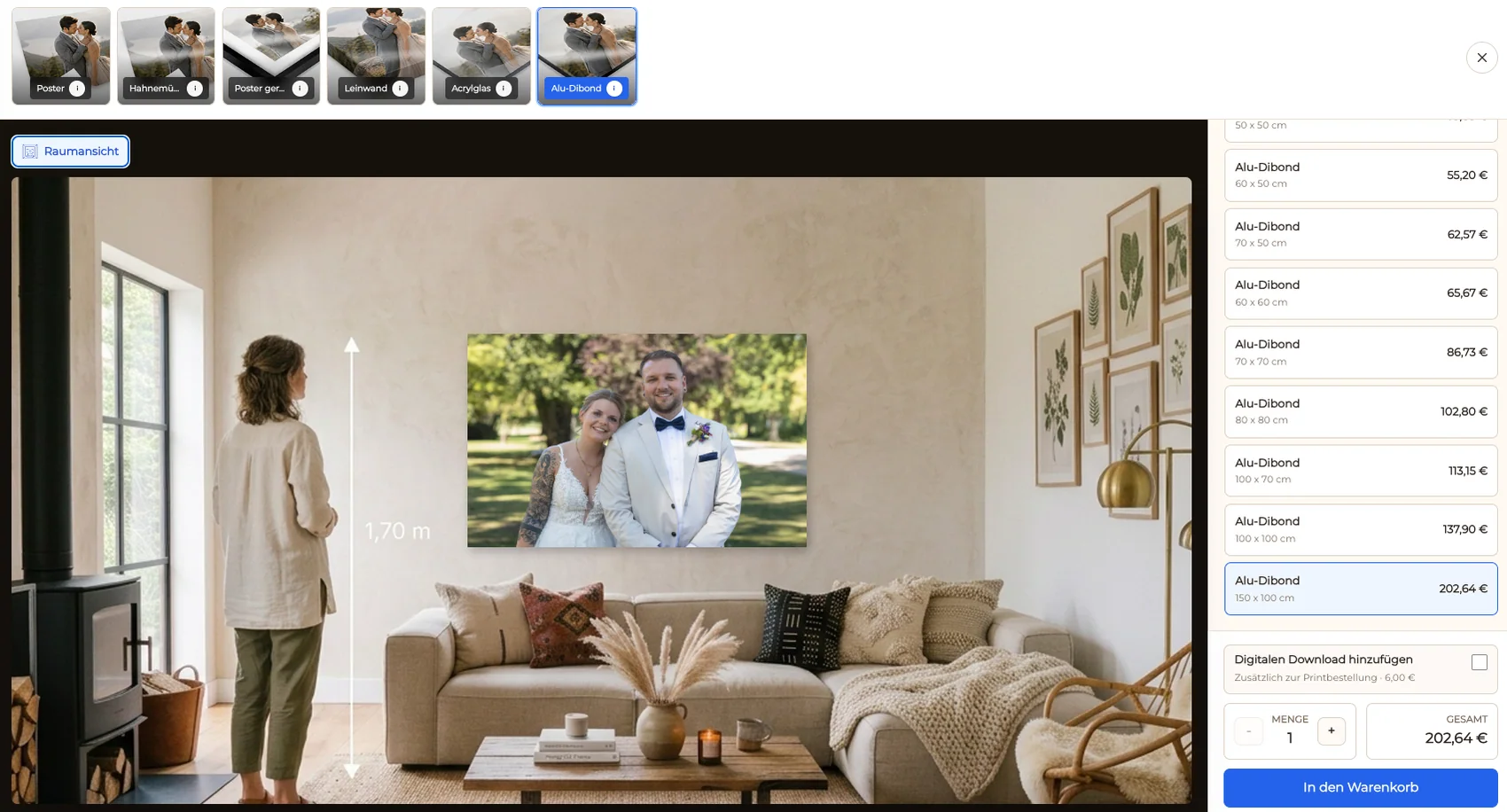
Sailing photography becomes convincing acrylic wall art when the image still communicates speed, scale, weather, and direction after the crop. Begin with photographs that have one clear subject: a boat profile, a crew maneuver, spray at the bow, a wake, or a quiet harbor scene. Then check the mast, sail edges, horizon, hull, crew, and open water in every offered orientation and size. GalleryDock can present the curated series, let clients compare digital files and physical prints, show the selected piece in a room preview, and keep image, product, size, price, cart, and checkout connected. The photographer still chooses the source, edits the photograph, verifies the currently available product configuration, and decides which options belong in the offer. This workflow does not promise a universal acrylic construction, every size, a specific finish, or delivery to every destination.
Image selection
Acrylic presentation adds presence, but it cannot repair an indecisive subject or a crop that breaks the boat's movement.
01
Choose the boat profile, crew action, spray, wake, or harbor geometry that gives the photograph an immediate center of attention.
02
Leave intentional space ahead of the boat or along the movement axis so the finished crop does not feel abruptly blocked.
03
Check mast, boom, sail edges, rigging, hull, horizon, and visible crew before committing the photograph to a wall-art format.
04
Group images by race, weather, boat, color palette, or harbor story instead of presenting every photograph from the session.
Offer design
The visible offer should make the photograph easier to choose rather than turning the gallery into a long product catalog.
01
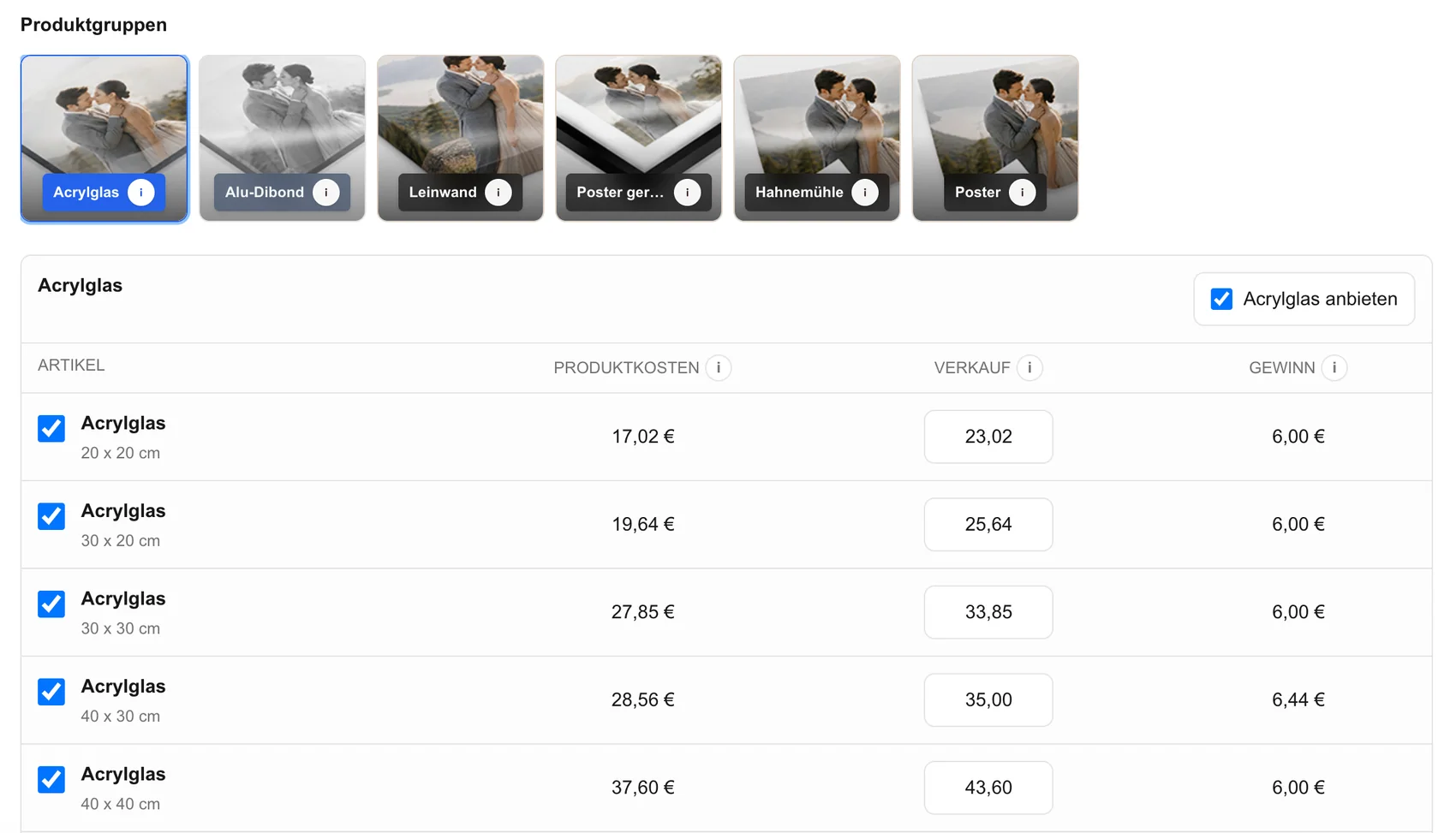
Review the available acrylic option, size range, orientation, price, and visible configuration before describing it to clients.
02
Offer dimensions that preserve important boat details and provide enough resolution for the selected source file.
03
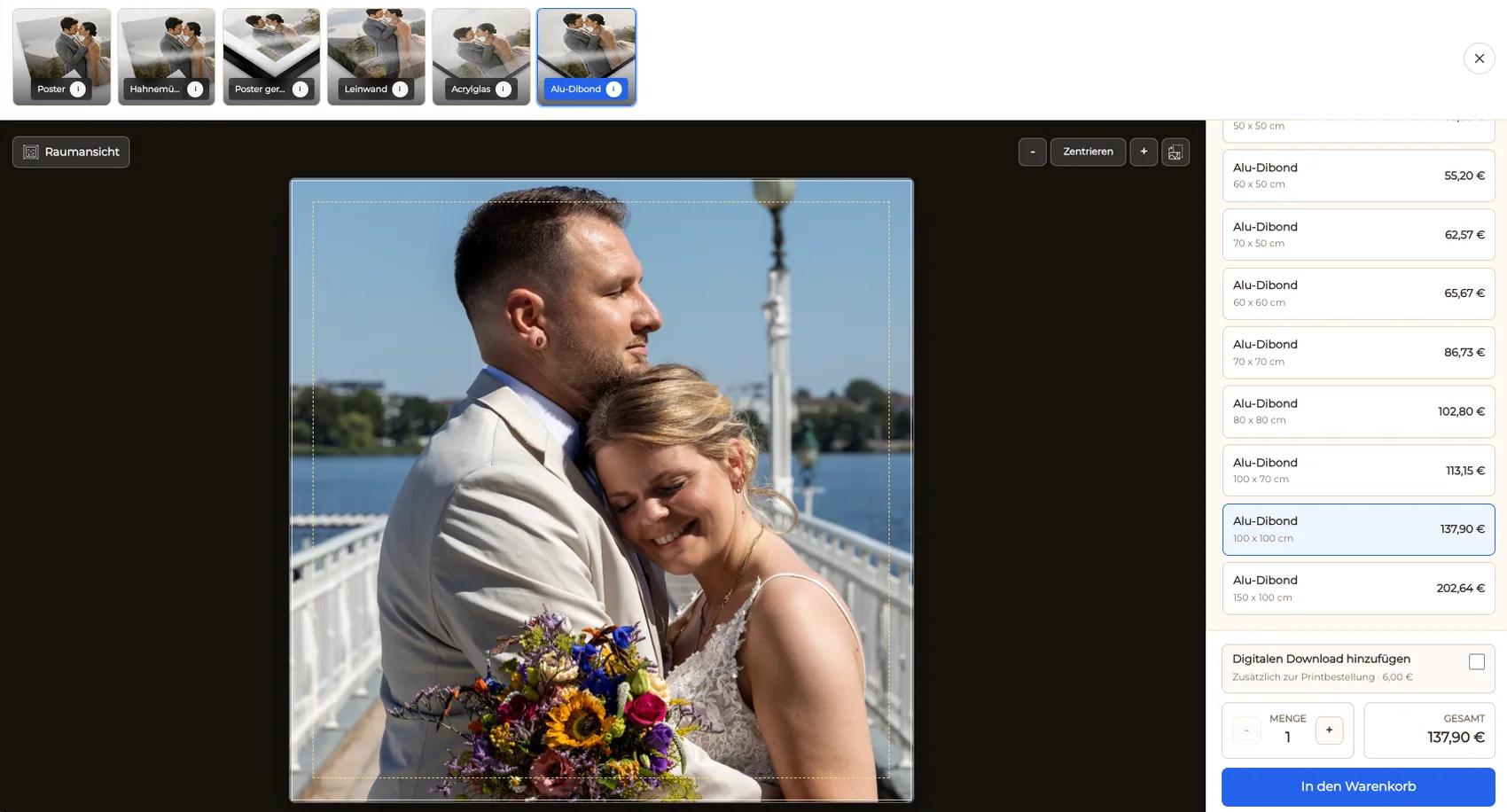
Preview every published size and reject a variant that cuts a mast, crew member, bow wave, stern, or intentional horizon relationship.
04
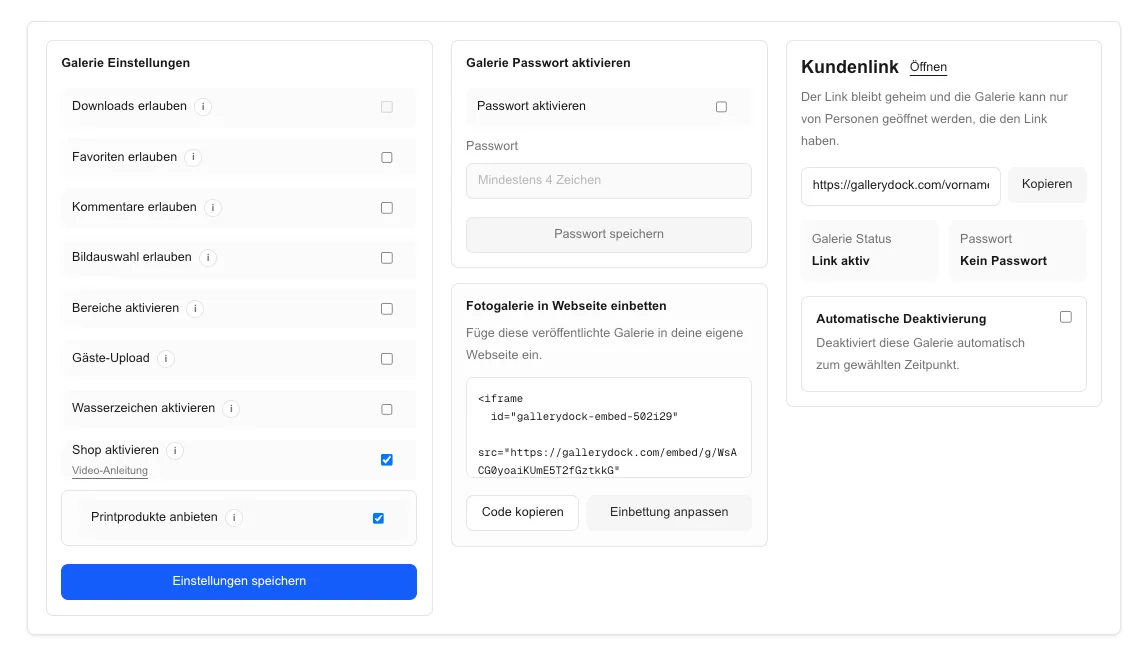
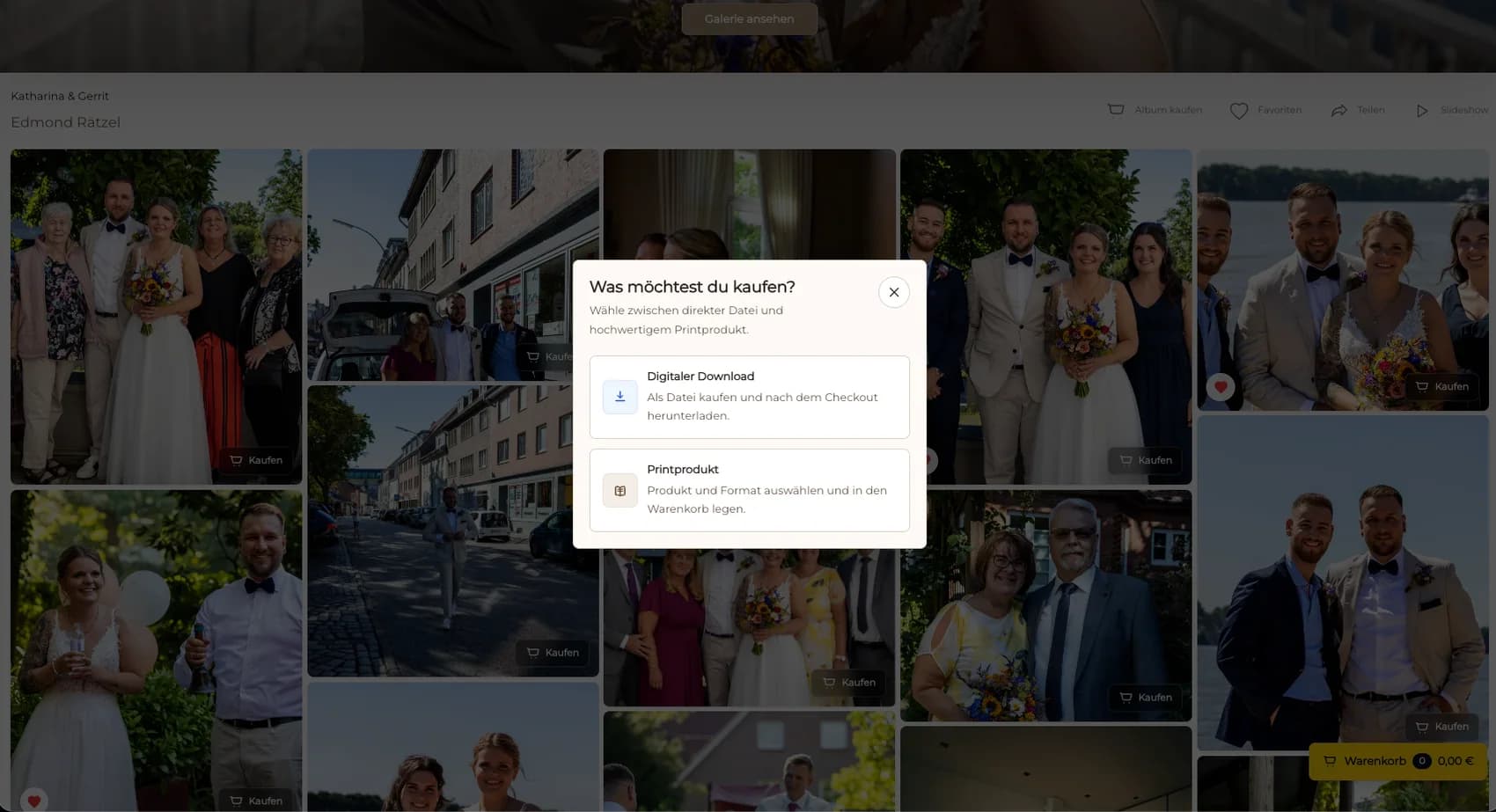
A digital file and a physical wall piece can both be sold, but each should have a distinct use and understandable product label.
Client decision
A confident purchase path keeps the chosen sailing scene visible while the client evaluates scale, product, and price.
01
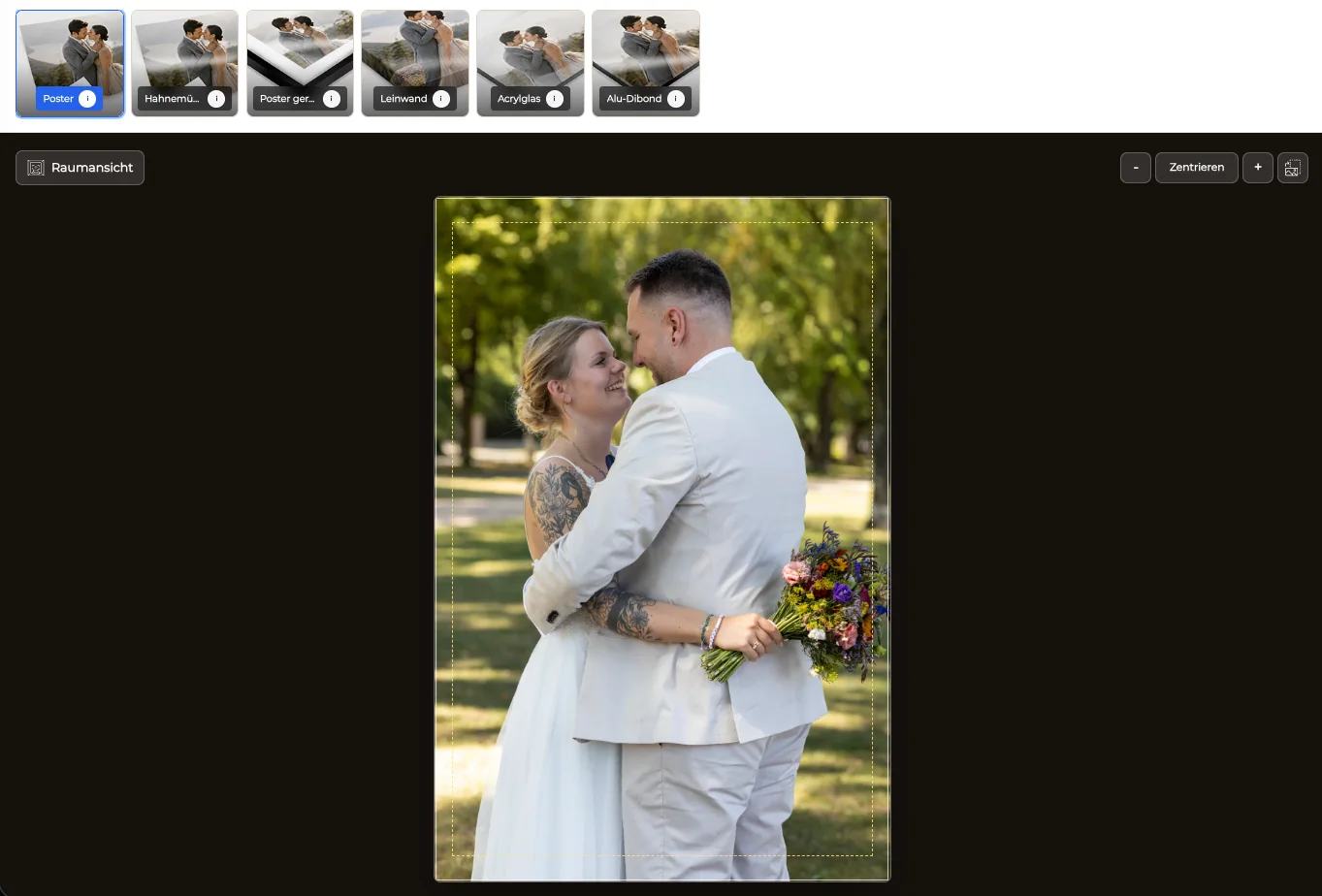
Let the client compare the wall piece in context, while explaining that the preview supports scale judgment rather than guaranteeing an exact room rendering.
02
Confirm whether landscape, portrait, square, or panoramic presentation best preserves the motion and balance of the selected image.
03
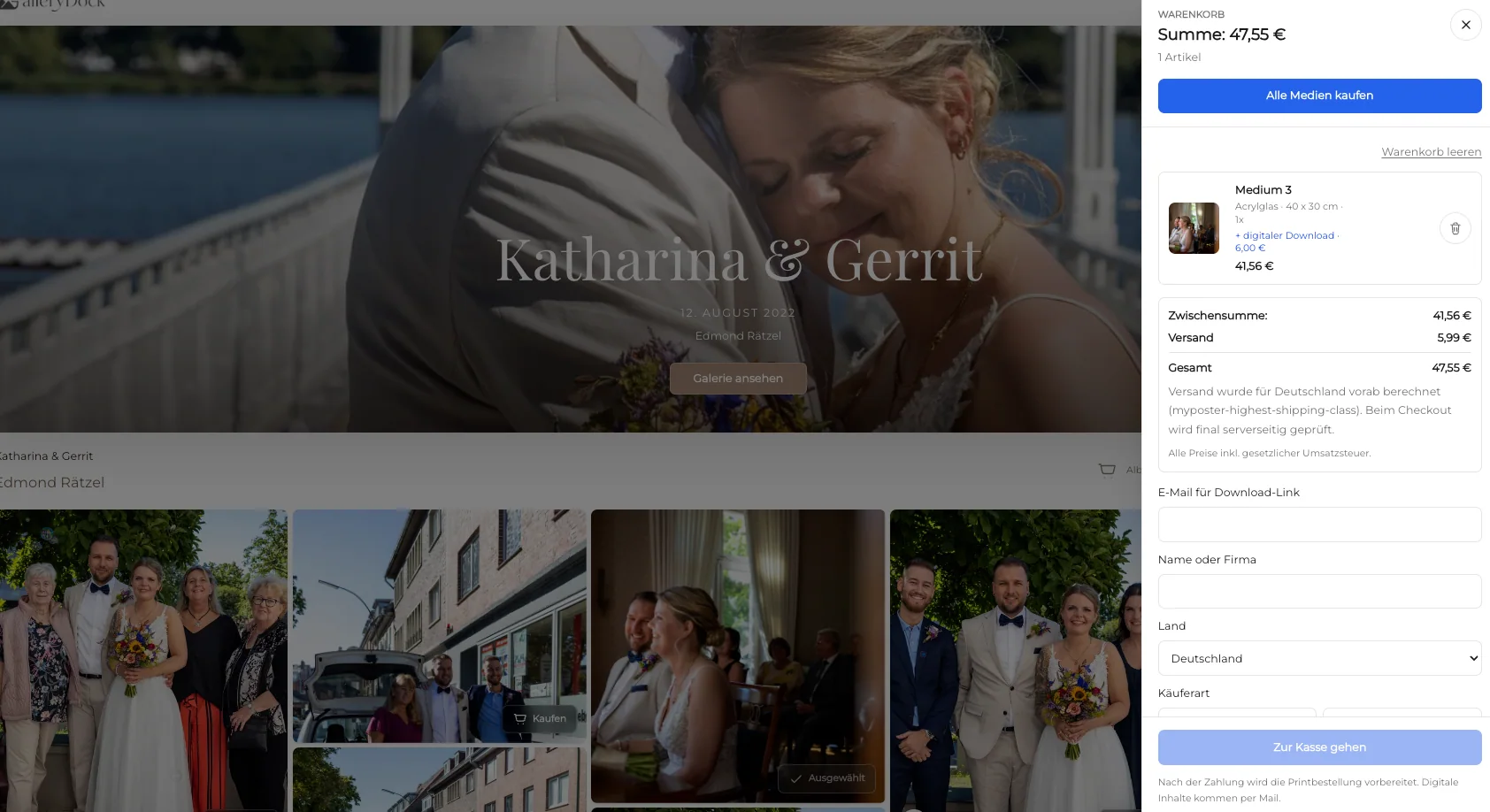
Verify photograph, product, dimensions, quantity, and price together before the client continues to checkout.
04
Open the gallery as a visitor and complete a realistic selection so no hidden owner assumption interrupts the client order.
Comparison
The same scene can serve different client uses, so product and scale should follow the composition and destination.
| Approach | Best for | Tradeoff |
|---|---|---|
| Acrylic wall art | Color depth and a modern display | Availability and construction must be verified |
| Large landscape piece | Boat profile and open-water motion | Needs enough wall space and source resolution |
| Portrait crop | Mast crew or sail detail | Can lose horizontal movement |
| Multi-image set | Race or harbor storytelling | Requires consistent color and spacing |
| Digital file | Screen use or separate production | Does not provide a finished wall piece |
A leaning boat and strong spray retain space in front of the bow and keep the mast inside the selected format.
A clean reflection and controlled horizon create a calmer wall-art offer for a home, marina, or office.
A tighter image focuses on coordinated action while the crop preserves hands, lines, and the direction of attention.
Frequently asked questions
Use images with a clear boat, crew, sail, spray, reflection, or harbor subject and enough composition space to survive the intended crop.
Check mast, sail edges, hull, crew, horizon, wake, and movement space in every published orientation and size.
GalleryDock provides a room preview that helps clients judge relative scale and visual impact before adding the product to the cart.
Yes. GalleryDock supports digital sales and physical print sales when the photographer activates and configures those products.
No. The photographer verifies the currently available product, size, preview, price, and order configuration before publishing the offer.
Related resources
Pricing
Free forever
0 EUR
EUR 0 per month
Perfect for sharing your first galleries professionally.
Start free, no credit card required
Monthly
19 EUR
EUR 228 billed yearly. plus VAT
Ideal for photographers who regularly deliver client galleries.
For regular client delivery
Monthly
29 EUR
EUR 348 billed yearly. plus VAT
For photographers managing many projects, videos and growing storage.
For regular client delivery
Curate the photograph, protect its structural lines, publish a focused product range, and test the complete client order path.
Create a free account