01
Identify the responsible source
Use current information from the laboratory, manufacturer, certification body, or product documentation instead of repeating an unsupported marketing phrase.
Eco-conscious print workflow
Verify environmental evidence for a lab and product, curate only supported print options, and connect the prepared offer to a clear GalleryDock order path.
Quick answer
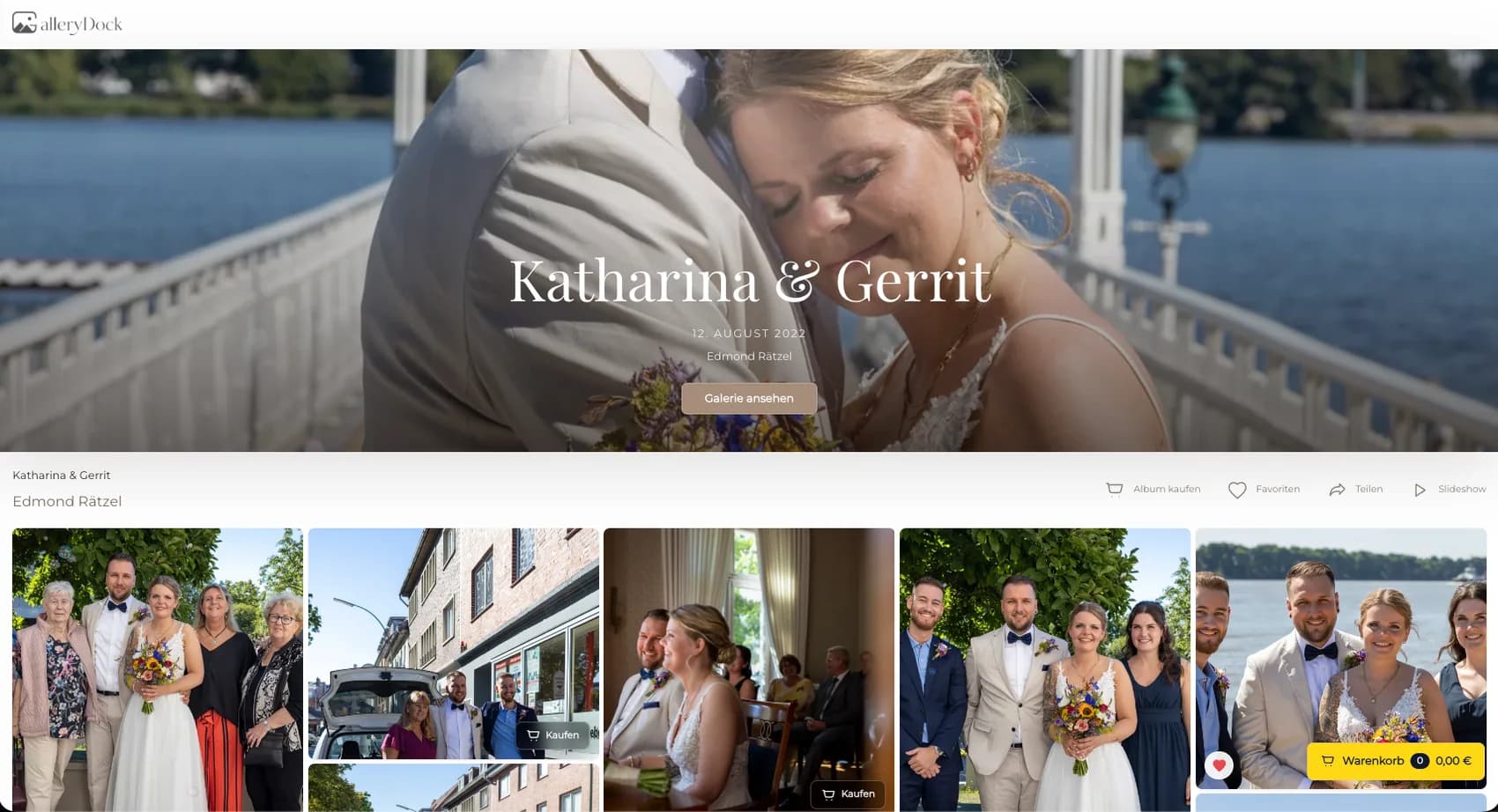
An eco-friendly photo printing workflow starts with evidence, not a green label added to a gallery. The photographer reviews current information from the external lab or manufacturer about materials, certifications, production, packaging, and shipping, then records which claim applies to which product and date. Only the products and sizes supported by that evidence should enter the client offer. GalleryDock then handles the client-facing gallery, product selection, image preview, cart, payment, and order information for the configured offer. GalleryDock does not certify a laboratory, calculate environmental impact, score products, or create a direct lab integration merely because a sustainable workflow is described. Keep the public copy specific and current, avoid broad claims such as carbon neutral unless they are directly supported, and recheck the evidence whenever the lab, product, packaging, or delivery process changes.
Evidence
Environmental language is useful only when a client can understand what was checked and what the claim actually covers.
01
Use current information from the laboratory, manufacturer, certification body, or product documentation instead of repeating an unsupported marketing phrase.
02
A company-wide policy, one certified paper, recycled packaging, and a shipping program are different facts and should not be blended into one promise.
03
Note the product, material, certificate or statement, region, and review date so the offer can be rechecked later.
04
If the evidence is missing, expired, contradictory, or unrelated to the selected product, leave that option out until the question is resolved.
Offer
The gallery should expose only the product choices that the photographer has actually reviewed.
01
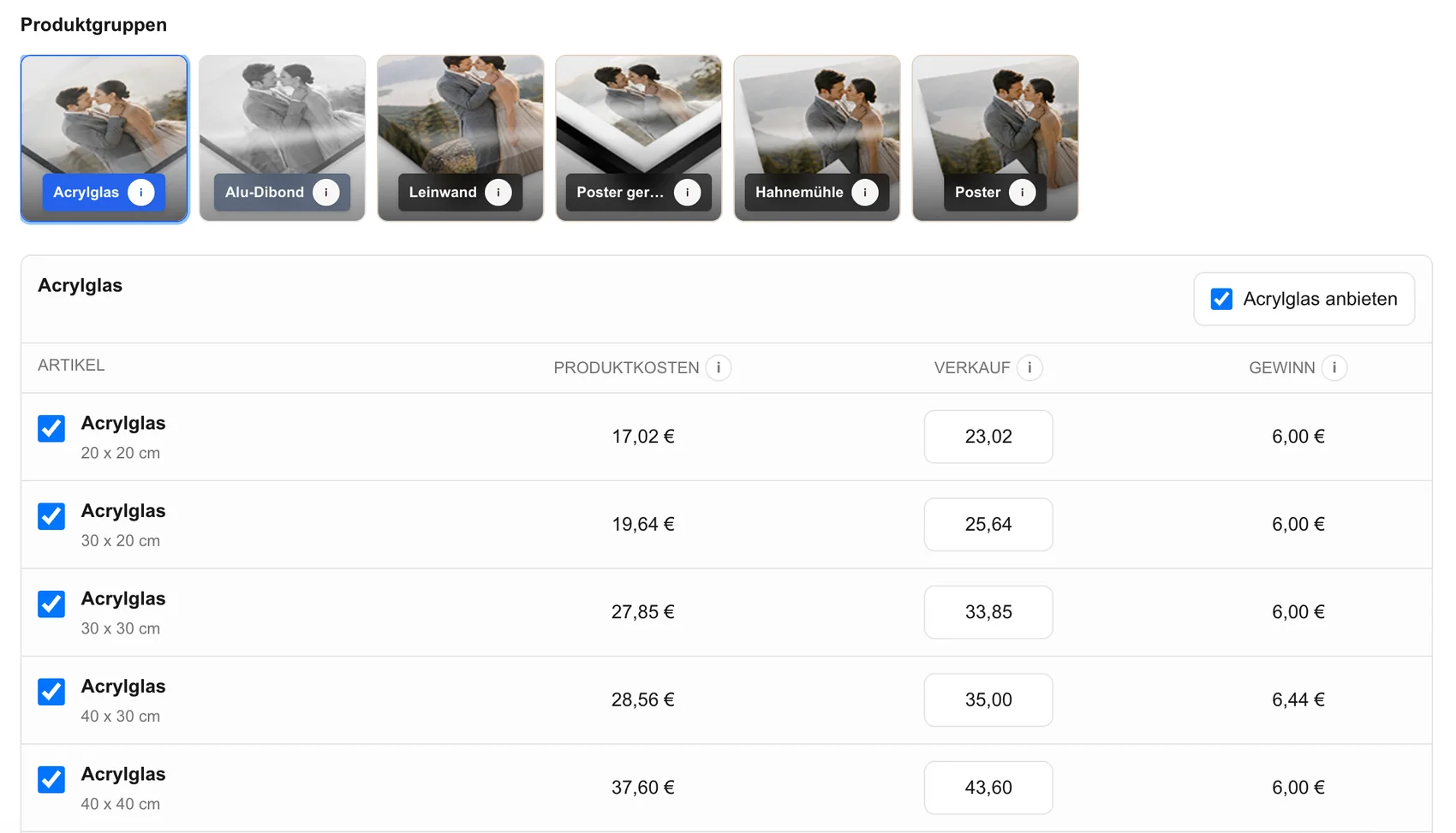
Activate the print products and sizes supported by the current evidence and suitable for the photographer's images and clients.
02
Explain the specific material, certification, packaging, or production detail without turning it into a general environmental guarantee.
03
Digital delivery and physical printing have different uses and impacts, so describe them as separate choices rather than declaring one universally better.
04
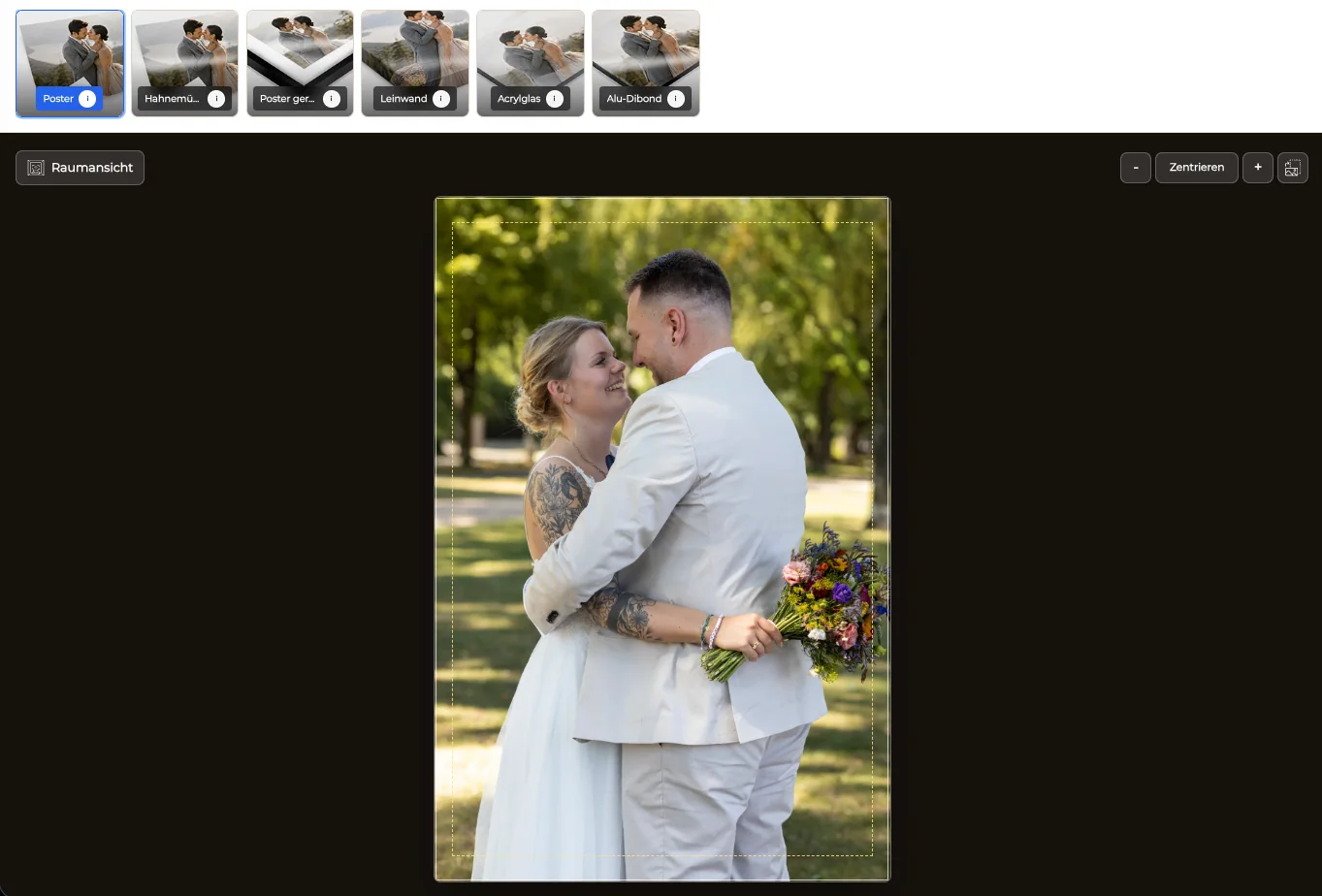
Review crop, safe area, orientation, resolution, and visual scale before the verified product becomes visible in the gallery.
Maintenance
A responsible workflow includes ongoing verification because products, suppliers, documentation, and routes can change.
01
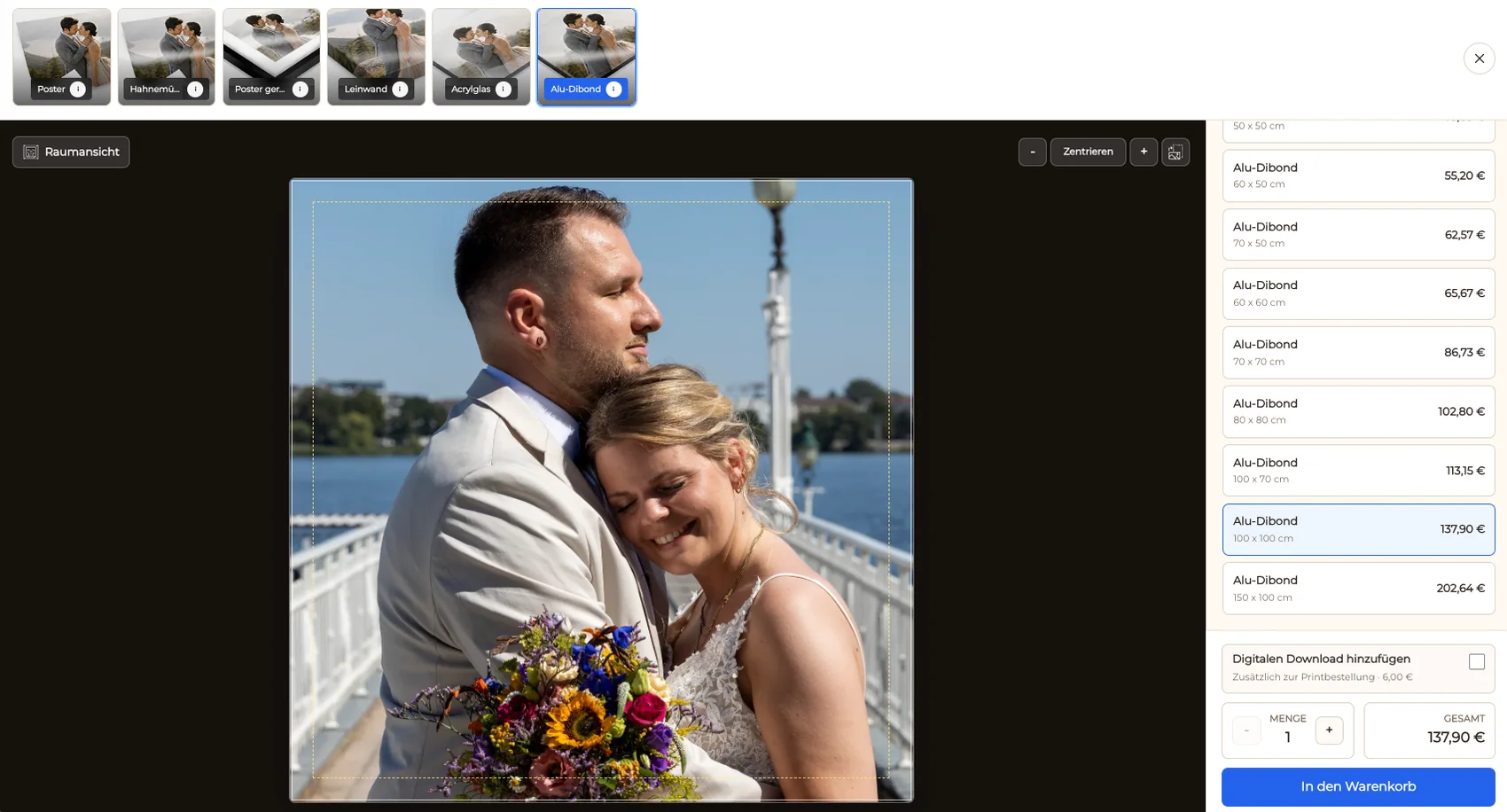
Open the public gallery, select the intended product and size, inspect the cart, and confirm that the visible description matches the configured item.
02
Review the source again when the lab changes a paper, certification, packaging statement, production site, or delivery policy.
03
Do not extend one verified fact to another product or market without new evidence that supports the broader statement.
04
Keep the source URL or document, date, product mapping, and responsible reviewer available for future maintenance and client questions.
Comparison
Each sustainability signal answers a different question and should be evaluated on its own terms.
| Approach | Best for | Tradeoff |
|---|---|---|
| Named certification | A defined standard and scope | Must be current and apply to the product |
| Material statement | Paper substrate or packaging detail | Does not describe the whole supply chain |
| Production policy | Lab-level practices | May not apply equally to every item |
| Shipping statement | A specified route or carrier program | Can vary by region and destination |
| Unverified green wording | Nothing reliable | Creates a misleading client claim |
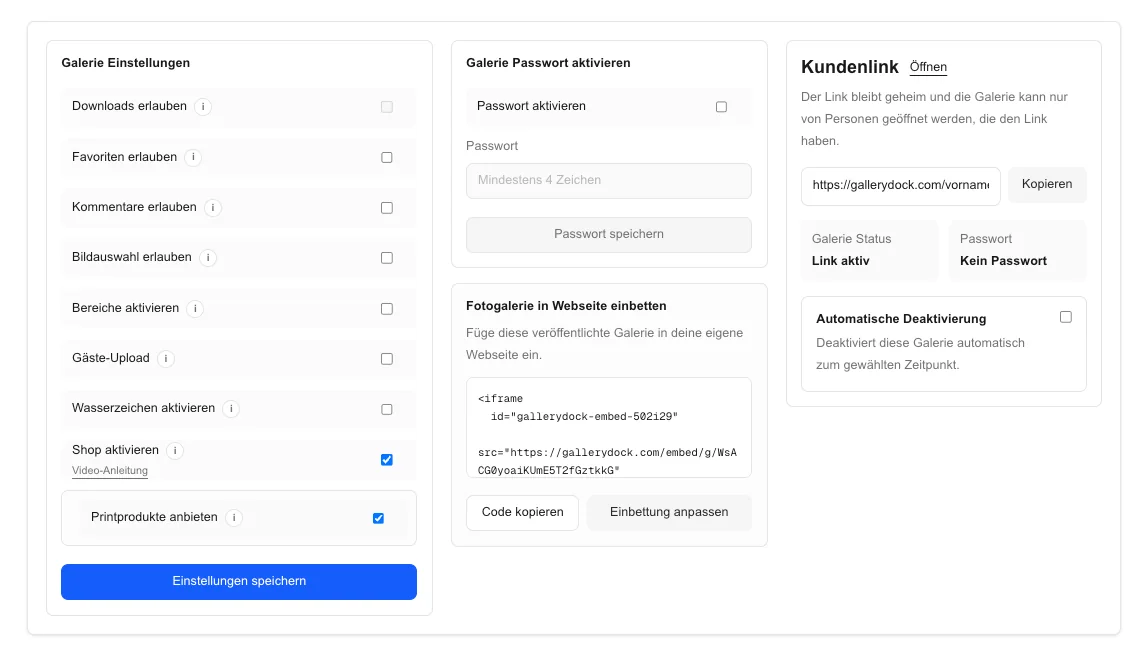
The photographer verifies one paper and packaging statement, then offers only the supported print sizes in a portrait gallery.
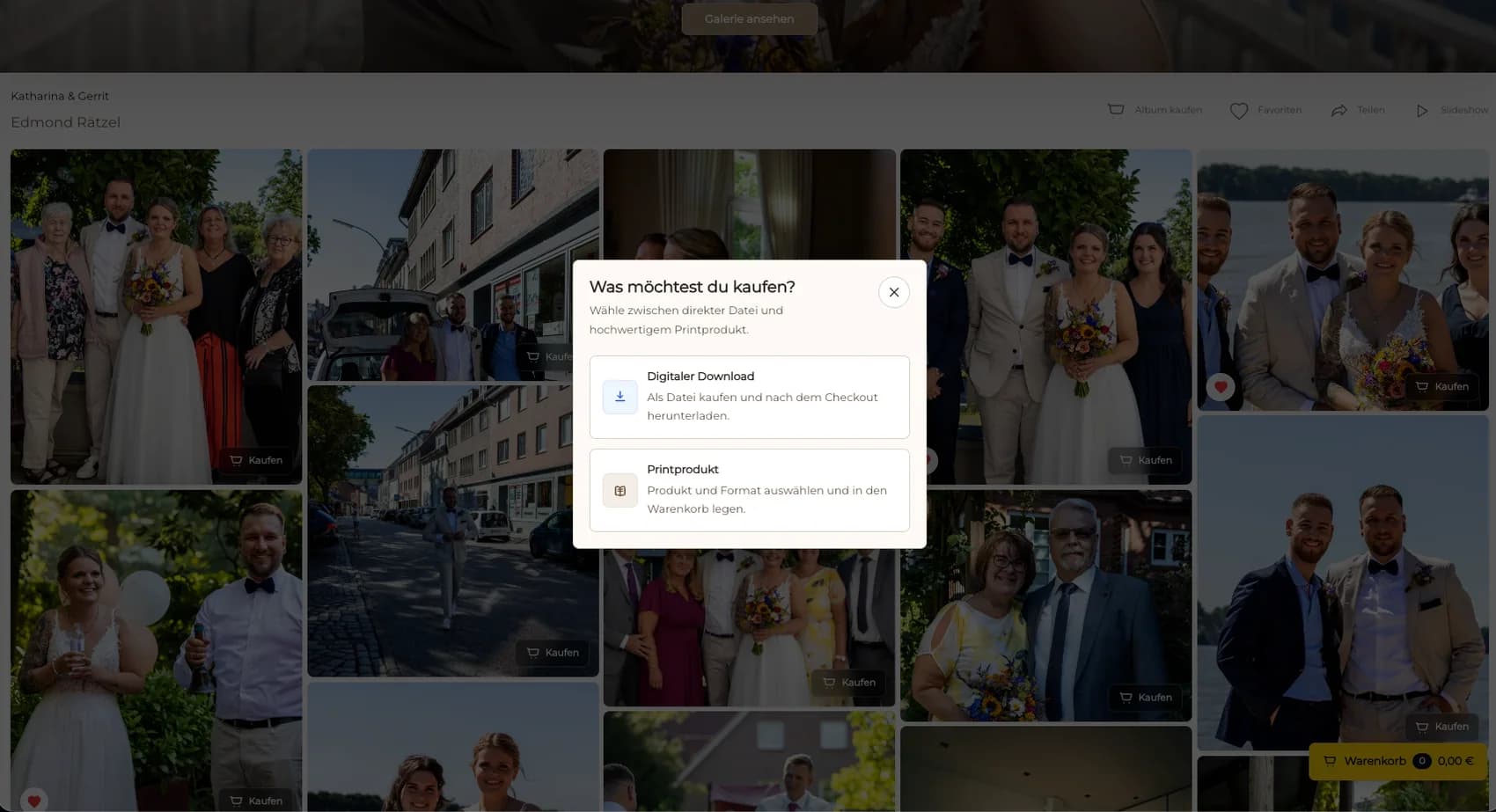
A current paper certification is documented separately from framing, production, and shipping claims.
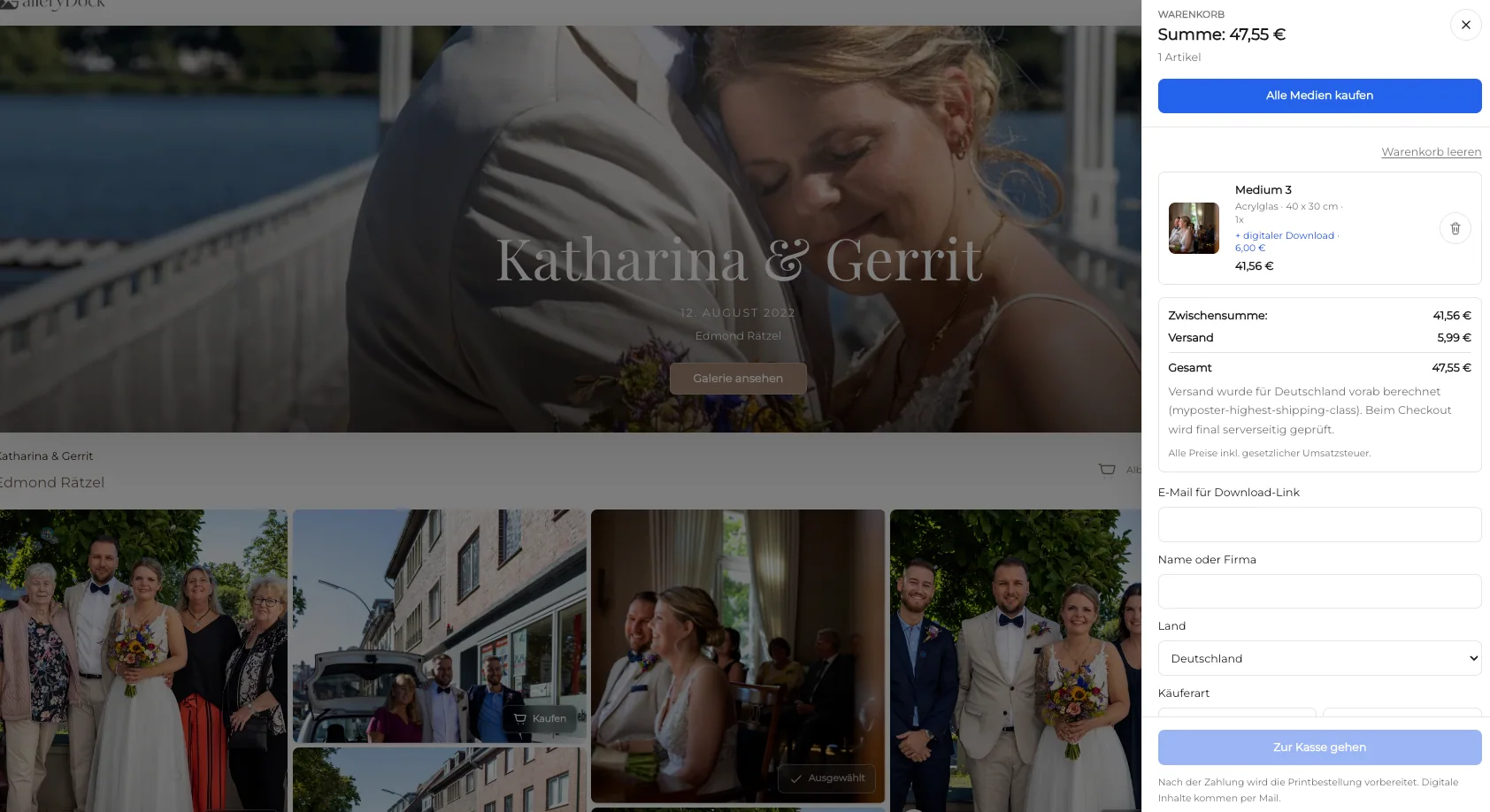
The studio records the selected product evidence and explains the configured order without claiming a complete impact calculation.
Frequently asked questions
It combines current evidence about the selected material, production, packaging, or shipping with a deliberately limited product offer and regular review.
No. The photographer evaluates external evidence and decides which supported products to present through GalleryDock.
No. GalleryDock manages the gallery and configured sales path; an external production relationship must be verified separately.
Yes, when the certification is current, applies to the exact product, and the wording stays within the documented scope.
Recheck them when products, materials, certificates, packaging, production sites, shipping routes, or supplier documentation change.
Related resources
Pricing
Free forever
0 EUR
EUR 0 per month
Perfect for sharing your first galleries professionally.
Start free, no credit card required
Monthly
19 EUR
EUR 228 billed yearly. plus VAT
Ideal for photographers who regularly deliver client galleries.
For regular client delivery
Monthly
29 EUR
EUR 348 billed yearly. plus VAT
For photographers managing many projects, videos and growing storage.
For regular client delivery
Verify the exact claim, curate only supported products, publish specific language, and recheck the complete client order path.
Create a free account