01
Name the starting object
Identify whether the client begins with a commissioned photograph, a gallery, a general product catalog, a portfolio, a notification, or a broader account.
Connected storefront stack or photograph-first gallery store
Compare a documented WhiteWall and Shopify storefront stack with a GalleryDock client-gallery store that begins from a commissioned photograph and keeps production ownership explicit.

Quick answer
This WhiteWall Shopify alternative addresses the system decision between maintaining a general storefront plus production connection and using a focused photograph-first store inside a commissioned client gallery. GalleryDock does not provide or claim a WhiteWall Shopify integration, Shopify sync, laboratory automation, inventory sync, automatic fulfillment, connected catalog, or feature parity with either provider.
Decision frame
Write the real decision in one sentence: Does the studio need a general Shopify storefront connected to a WhiteWall production workflow, or a focused GalleryDock store that starts from the commissioned client image? A precise decision keeps branded search intent connected to an actual studio workflow and prevents a broad provider name from becoming an unsupported claim of equivalence.
01
Identify whether the client begins with a commissioned photograph, a gallery, a general product catalog, a portfolio, a notification, or a broader account.
02
WhiteWall and Shopify own their documented platforms and connection behavior; the photographer owns GalleryDock offers, image eligibility, prices, production handoff, shipping, policies, business records, and client support.
03
Use current official WhiteWall and Shopify documentation, the studio's commerce requirements, the signed client package, the GalleryDock configuration, and one complete representative sale and production handoff.
04
Use one representative paid assignment with realistic files, products, permissions, devices, addresses, and client questions.
Client journey
A polished administrator screen is not proof of a clear client experience. Observe a first-time visitor on desktop and mobile, then follow the resulting studio work until the record is complete.
01
Publish only approved files.
02
Open the invitation outside the administrator session.
03
Ask the client to perform the real storefront-stack versus client-gallery commerce action without coaching.
04
Verify the authoritative gallery, selection, comment, transaction, production, delivery, support, and accounting records as applicable.
Distinct page fingerprint
This WhiteWall Shopify alternative addresses the system decision between maintaining a general storefront plus production connection and using a focused photograph-first store inside a commissioned client gallery.
01
Does the studio need a general Shopify storefront connected to a WhiteWall production workflow, or a focused GalleryDock store that starts from the commissioned client image? Answer that question throughout the page.
02
GalleryDock does not provide or claim a WhiteWall Shopify integration, Shopify sync, laboratory automation, inventory sync, automatic fulfillment, connected catalog, or feature parity with either provider.
03
Test a portrait, wedding, family, commercial, school, event, or fine-art case only when its signed package and client role match the example.
04
Measure less catalog administration, correct image identity, clear customer options, known production and inventory ownership, traceable transaction data, and no false integration expectation.
Commercial and product truth
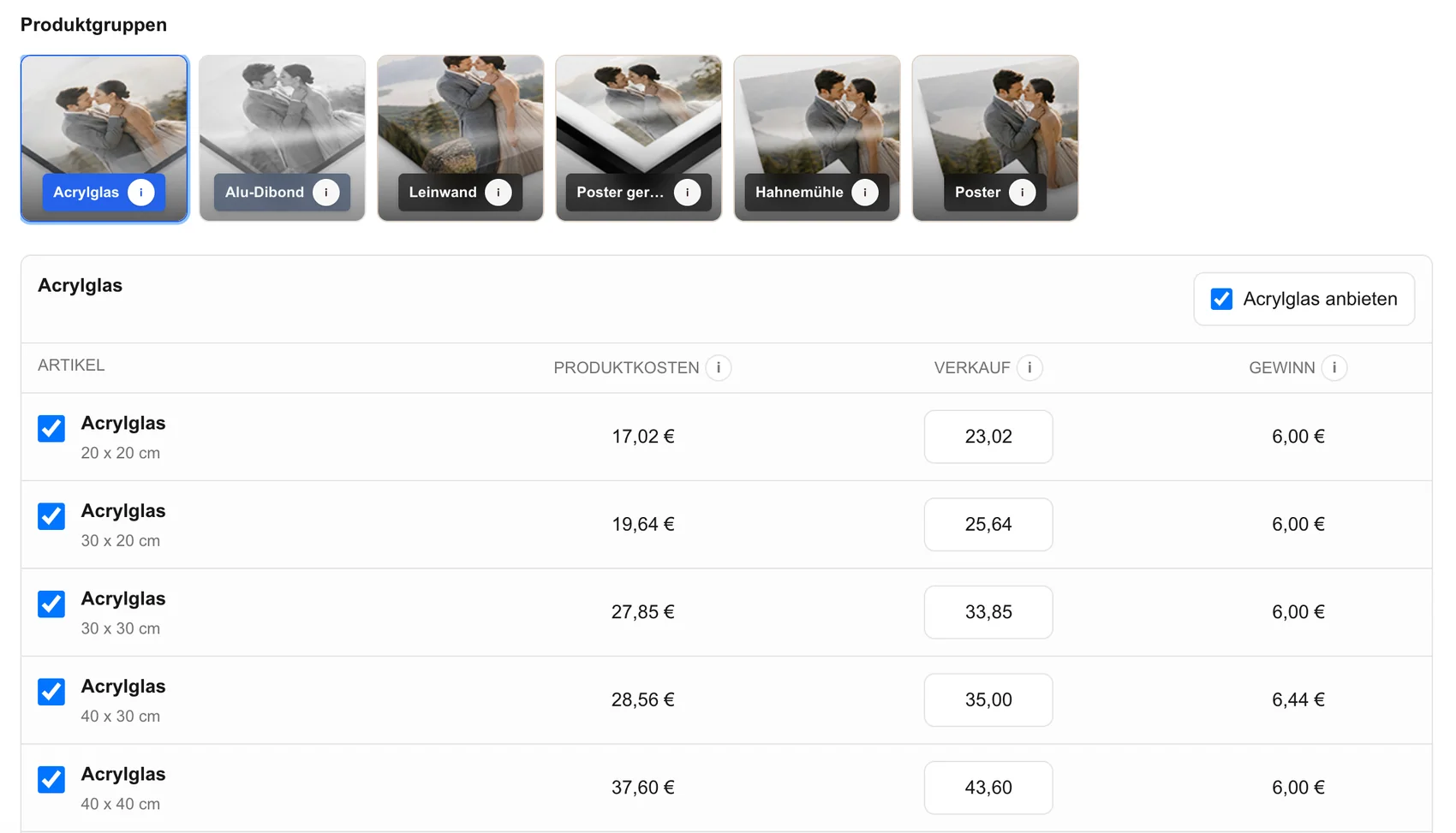
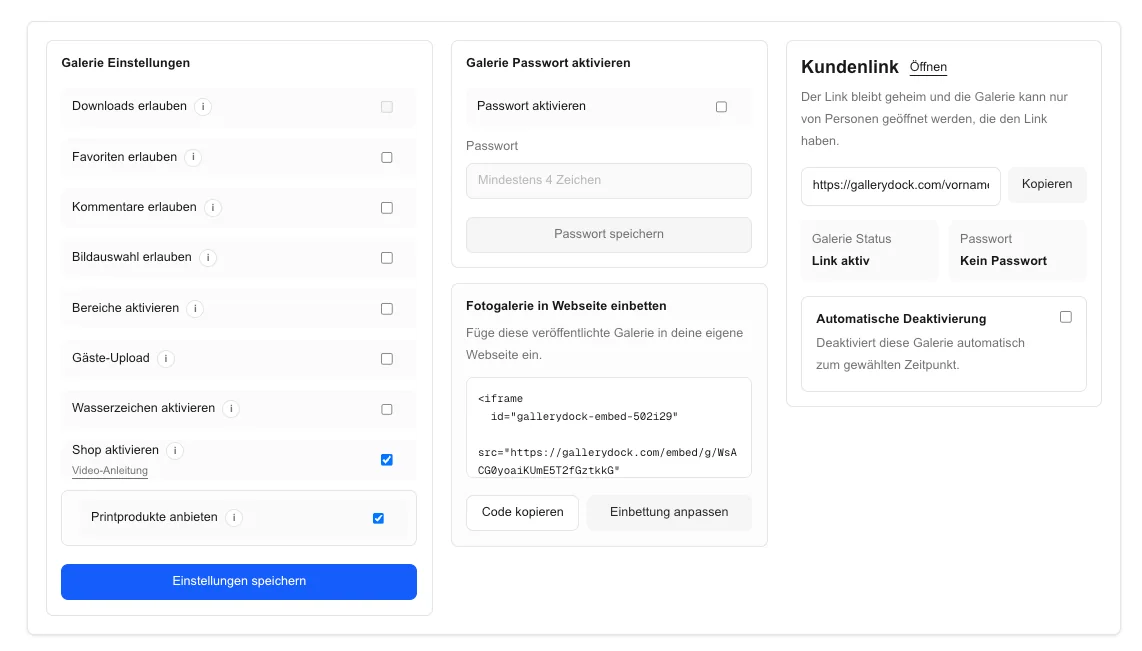
GalleryDock can support digital sales and physical print sales. The photographer still defines the signed offer and must keep volatile provider facts, product eligibility, customer communication, and physical production responsibilities accurate.
01
State which digital files, review rounds, downloads, products, sizes, quantities, or credits are included and which are optional purchases.
02
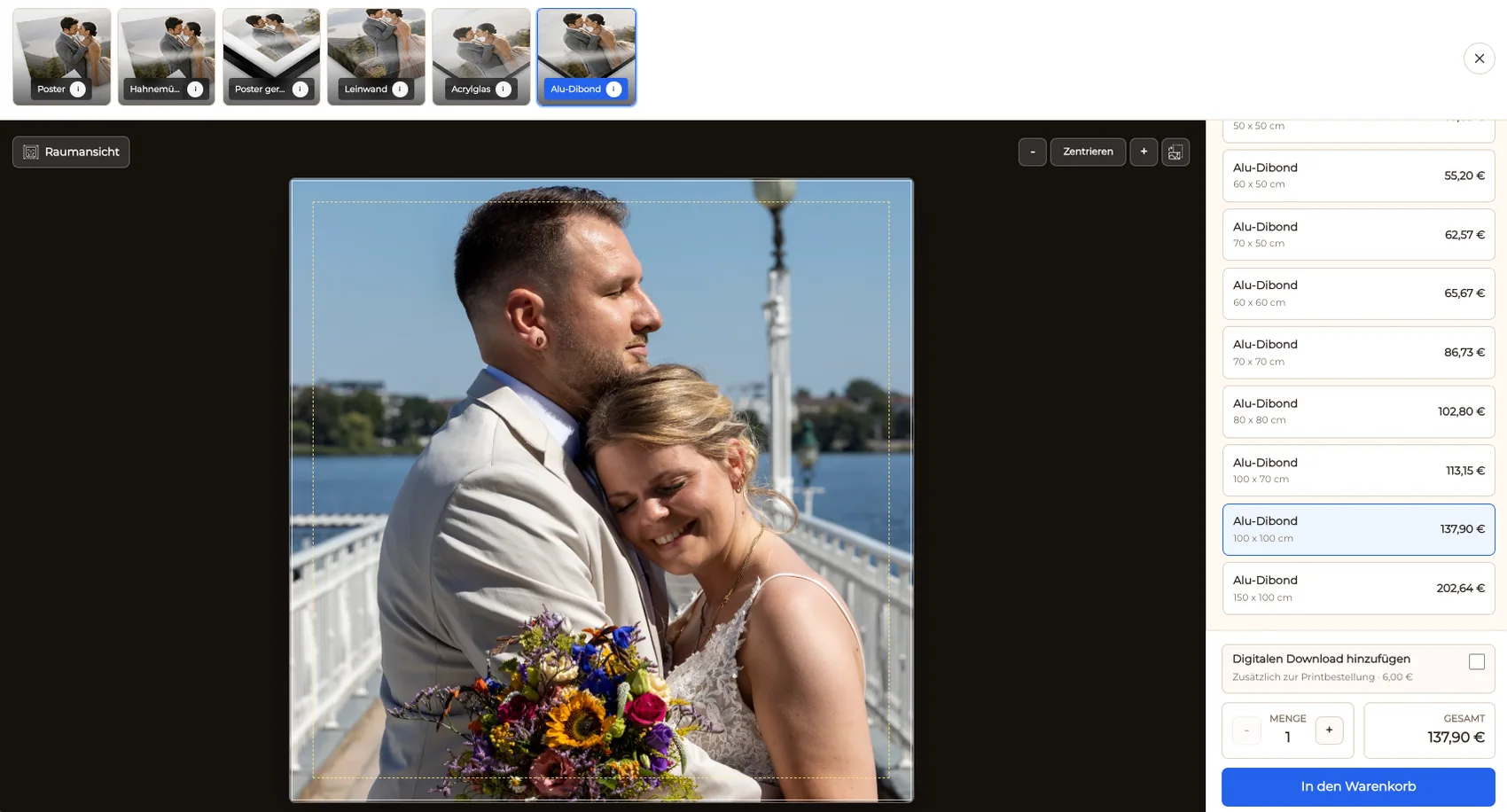
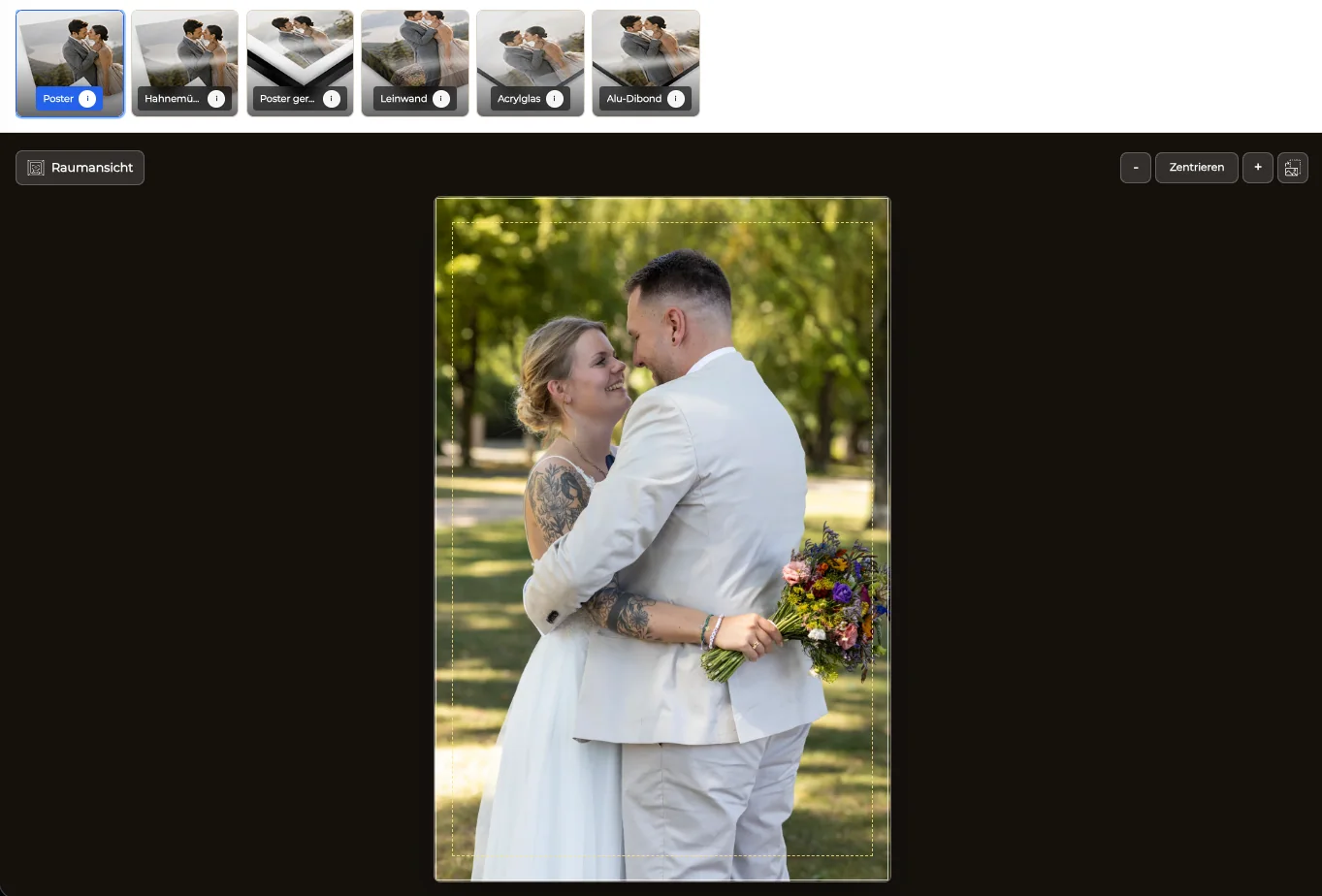
Check image identity, product name, dimensions, orientation, customer price, tax and policy context, crop, safe zone, quantity, cart summary, checkout handoff, order record, and production owner.
03
GalleryDock does not provide or claim a WhiteWall Shopify integration, Shopify sync, laboratory automation, inventory sync, automatic fulfillment, connected catalog, or feature parity with either provider.
04
Identify who answers questions, verifies selections or orders, prepares files, chooses the producer, handles shipping, damage, refunds, corrections, changed addresses, licensing, privacy, and records.
Adoption and maintenance
Adopt only after the complete assignment works for the client and the studio. The final standard should be understandable after a team change, product update, provider change, or future engineering handoff.
01
Use less catalog administration, correct image identity, clear customer options, known production and inventory ownership, traceable transaction data, and no false integration expectation.
02
Record the owner, tested scope, source dates, verified behavior, exclusions, client instructions, production route, support path, fallback, retention location, chosen system, and next review date.
03
Introduce one assignment type at a time.
04
Repeat the representative path when packages, prices, products, providers, fulfillment, policies, integrations, team ownership, file types, notification behavior, client roles, supported devices, or GalleryDock behavior changes.


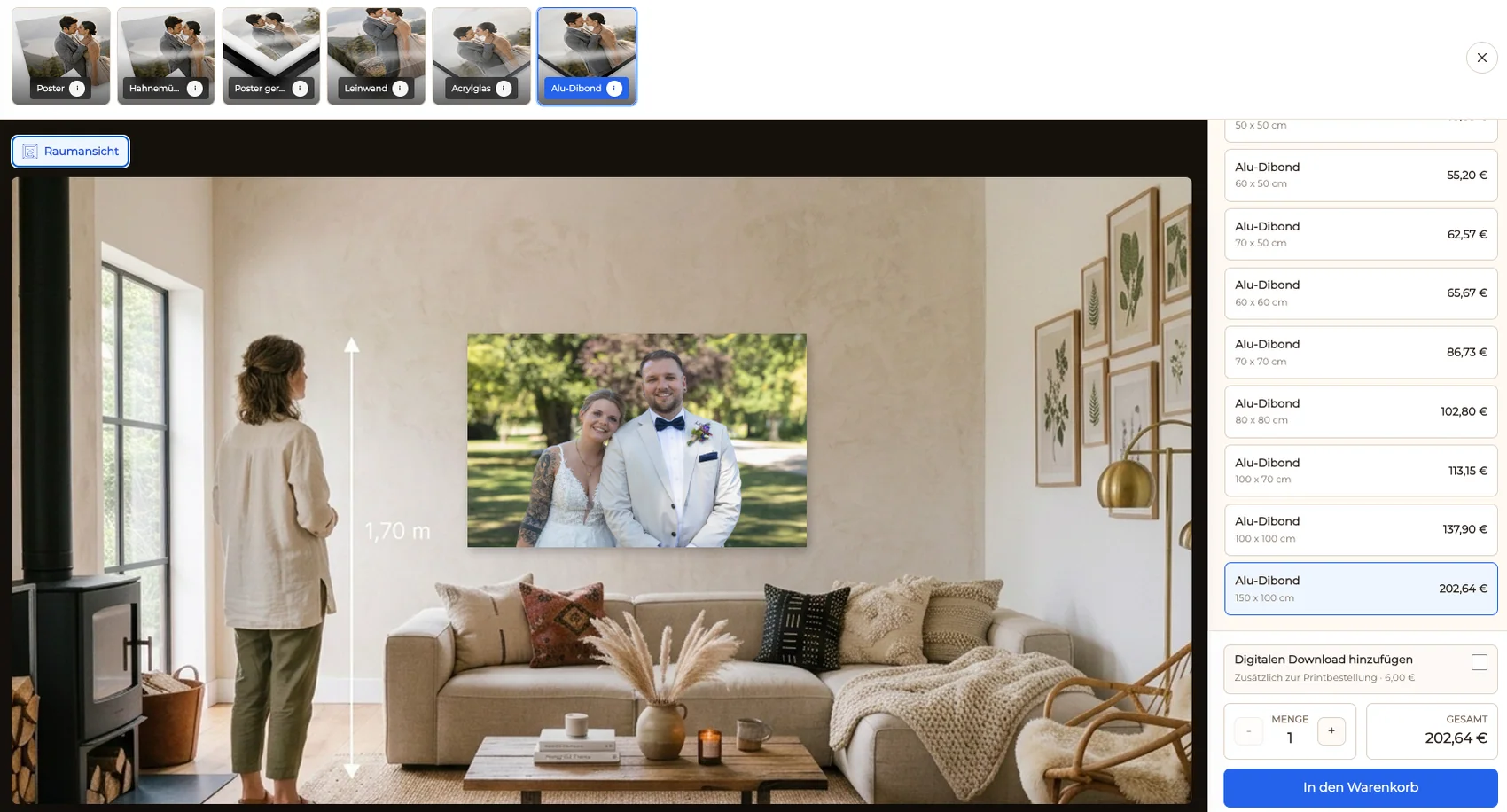
Comparison
The useful question is not which interface has more labels. It is whether the provider, the studio, and the client share a clear understanding of the assignment, the next action, the authoritative record, and the recovery path. GalleryDock does not provide or claim a WhiteWall Shopify integration, Shopify sync, laboratory automation, inventory sync, automatic fulfillment, connected catalog, or feature parity with either provider.
| Operating path | Best fit | Boundary to verify |
|---|---|---|
| Compared provider workflow | Photographers who need the provider's currently documented ecosystem around storefront-stack versus client-gallery commerce | Plans, fees, catalogs, integrations, automation, territories, production, and policies can change and require current official verification |
| GalleryDock assignment workflow | Photographers who want a focused client gallery for digital delivery and configured physical print sales | WhiteWall and Shopify own their documented platforms and connection behavior; the photographer owns GalleryDock offers, image eligibility, prices, production handoff, shipping, policies, business records, and client support. |
| GalleryDock plus chosen production route | Studios that deliberately separate the client sale from physical manufacturing and shipment | The producer, file preparation, ordering handoff, shipping, support, and exception policy remain explicit studio responsibilities |
| Delivery without optional commerce | Assignments whose signed package already contains everything the client needs | Do not activate or promote a store merely because the interface can display products |
| Controlled dual-system pilot | Studios comparing a new route while preserving the proven client and business record | Both paths need clear names, owners, support instructions, retention rules, and a planned end date |
| Decision after completed work | Teams measuring a representative assignment instead of a demo or marketing checklist | Use current official WhiteWall and Shopify documentation, the studio's commerce requirements, the signed client package, the GalleryDock configuration, and one complete representative sale and production handoff. before adopting the new path |
A portrait client starts with approved work instead of a general catalog. The studio offers only prepared products and retains explicit responsibility for production, delivery, records, and support.
A photographer with broader merchandise, inventory, or public catalog needs keeps that storefront authoritative and evaluates GalleryDock only for assignment-specific client sales rather than forcing a replacement.
The studio compares one identical product through both operating models and measures image selection, setup, checkout, production coordination, support, records, and maintenance before choosing a path.
Frequently asked questions
This WhiteWall Shopify alternative addresses the system decision between maintaining a general storefront plus production connection and using a focused photograph-first store inside a commissioned client gallery. GalleryDock does not provide or claim a WhiteWall Shopify integration, Shopify sync, laboratory automation, inventory sync, automatic fulfillment, connected catalog, or feature parity with either provider.
Use current official WhiteWall and Shopify documentation, the studio's commerce requirements, the signed client package, the GalleryDock configuration, and one complete representative sale and production handoff. Test the intended client action on desktop and mobile, then verify the authoritative record, support path, production responsibility, closeout, and fallback before replacing a proven process.
No. Keep source files, redundant backups, contracts, invoices, tax decisions, licensing records, client communication, production specifications, and legal documentation in the systems responsible for them. GalleryDock does not become those systems simply because the gallery participates in the workflow.
No. GalleryDock does not provide or claim a WhiteWall Shopify integration, Shopify sync, laboratory automation, inventory sync, automatic fulfillment, connected catalog, or feature parity with either provider. Describe only the current capability you verified. Recheck changing provider facts directly before migration, purchase, or a client-facing promise.
Start with one reversible paid-work pilot. Explain available actions, included and optional items, response expectations, production ownership, and support. Preserve the previous link and source records until the client result and studio closeout are confirmed.
Measure less catalog administration, correct image identity, clear customer options, known production and inventory ownership, traceable transaction data, and no false integration expectation. Review completed assignments and exceptions, not a demo, one enthusiastic client, a provider feature table, or a successful click in an administrator session.
Related resources
Pricing
Free forever
0 EUR
EUR 0 per month
Perfect for sharing your first galleries professionally.
Start free, no credit card required
Monthly
19 EUR
EUR 228 billed yearly. plus VAT
Ideal for photographers who regularly deliver client galleries.
For regular client delivery
Monthly
29 EUR
EUR 348 billed yearly. plus VAT
For photographers managing many projects, videos and growing storage.
For regular client delivery
Use one representative assignment to test storefront-stack versus client-gallery commerce, product truth, client understanding, records, production ownership, support, closeout, and recovery. Keep the existing route until the new path produces a verified result without hidden promises.
Create a free account