01
Name the decision
Write the question in operational language: How should photographers compare client gallery software? A clear question prevents a broad software search from replacing the real client or studio problem.
Client gallery software comparison
Client gallery software comparison for photographers: compare GalleryDock, picdrop, Pixieset, Pic-Time, ShootProof, and scrappbook by documented workflow fit.
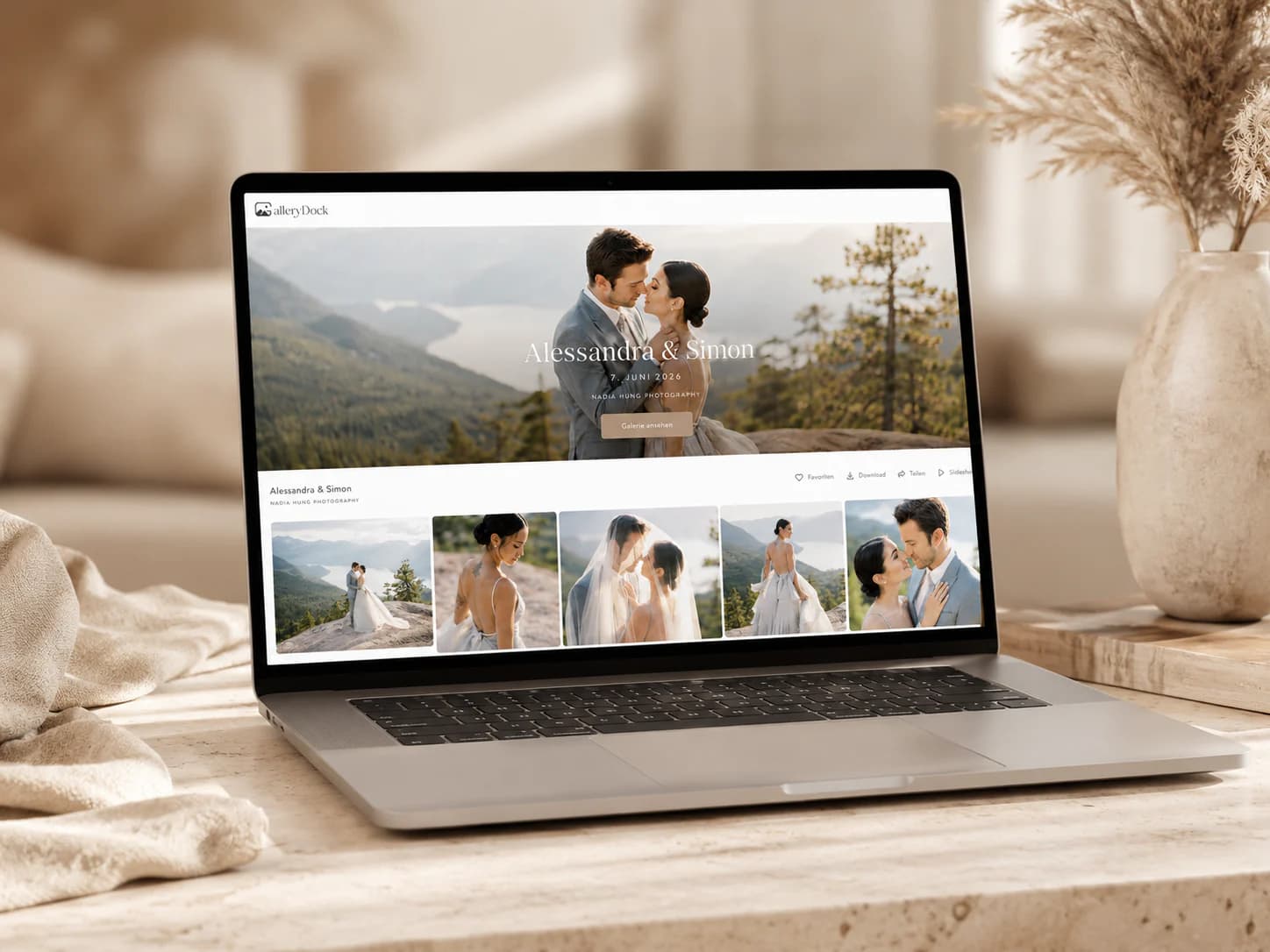
Quick answer
Client gallery software should be compared by its product center and the studio responsibility it can prove with a representative assignment, not by a universal feature count. This documented comparison is not a ranking, test-winner award, or feature-parity claim, and it publishes no competitor prices, fees, storage limits, domains, or outgoing provider links.
Decision frame
A useful comparison begins with the assignment and responsibility, not with the longest feature list.
01
Write the question in operational language: How should photographers compare client gallery software? A clear question prevents a broad software search from replacing the real client or studio problem.
02
Each provider owns only the documented capability tested in its current product; the studio owns the surrounding stack, package, training, support, records, and final decision. List the responsibilities that stay outside this decision before comparing interfaces, plans, or provider claims.
03
official provider product and pricing documentation checked on September 28, 2026, followed by a representative studio pilot for every shortlisted path Capture the date and source for facts that can change, and distinguish verified product behavior from assumptions or marketing language.
04
Start with a written statement of whether the studio needs proofing, final delivery, commerce, a broader business suite, or a connected combination. Keep original files, existing links, client records, and the previous delivery option available until the test has finished successfully.
Representative pilot
A controlled real-world assignment exposes access, instruction, review, delivery, and support requirements that a checklist cannot show.
01
Test a curated set that resembles paid work in file count, orientation, client roles, delivery expectations, optional products, and device mix. A tiny demo can hide the exact friction that appears in production.
02
Observe invitation, access, viewing, the requested decision, and the exact client action and downstream studio owner that each provider must support. Do not count an administrator preview as proof that a first-time client understands the next action.
03
Open the same assignment on both viewport classes. Check image detail, readable instructions, controls, feedback, selection state, download clarity, optional store choices, and content overflow.
04
Record where clients pause, ask for clarification, repeat an action, abandon a step, or use a separate channel. Those observations are more useful than a general statement that the gallery looks professional.
Source discipline
Provider products change. A robust comparison records what was verified, avoids volatile public claims, and separates documentation from observed workflow fit.
01
Check official product and pricing documentation for the capability being evaluated. Do not rely on an old review, search snippet, or copied comparison table.
02
Date the internal research so a future developer knows which facts require refresh before purchase, migration, or publication.
03
A provider can be strong for a suite, proofing, commerce, or business management without being the best fit for every photographer.
04
Use identical source media, client instructions, review task, download expectation, and success criteria so the shortlist is compared on a common basis.
Operational boundaries
A robust workflow makes ownership, exclusions, and recovery visible instead of relying on one interface to solve every studio responsibility.
01
A client gallery does not replace source-file storage, redundant backup, contracts, invoicing, bookkeeping, tax work, licensing records, or a CRM. Name which system remains authoritative for each responsibility.
02
Clients should understand which files, reviews, downloads, digital products, or physical prints are included and which are optional. Software availability does not define the package or guarantee demand.
03
The main risk is flattening six different product centers into a checkbox contest and assuming that a documented capability fits the studio's plan, clients, or operating stack. Decide who responds, where the incident is recorded, and how the client receives the agreed result if the preferred path is unavailable or misunderstood.
04
This documented comparison is not a ranking, test-winner award, or feature-parity claim, and it publishes no competitor prices, fees, storage limits, domains, or outgoing provider links. Recheck dynamic plan, provider, policy, price, and feature information at the moment it affects a purchase or migration decision.
Adoption and review
The final choice should be understandable, measurable, reversible, and reviewable after real assignments—not merely defensible on launch day.
01
Use client completion, support effort, reviewer clarity, final delivery, operational ownership, and the number of surrounding tools or responsibilities the studio must add. Compare the result with the current process rather than with an imagined perfect workflow.
02
Record each provider's product center, official source date, verified capability, excluded responsibility, pilot outcome, and the reason it remains or leaves the shortlist. Include the owner, evidence, scope, exclusions, chosen path, fallback, and next review date so another team member can understand why the decision was made.
03
Use the exact client action and downstream studio owner that each provider must support. Expand only after representative jobs complete without hidden manual work, missing records, or recurring client confusion.
04
Refresh volatile provider facts before purchase and rerun the fit review when the studio adds team members, video, sales, or a new delivery obligation. A workflow that succeeds once may still fail with a larger gallery, different client, mixed media, additional reviewer, or another team member.

Comparison
Use the table as a shortlist, then verify the decision with one representative client assignment and current source information.
| Provider center | Documented fit | Boundary to verify |
|---|---|---|
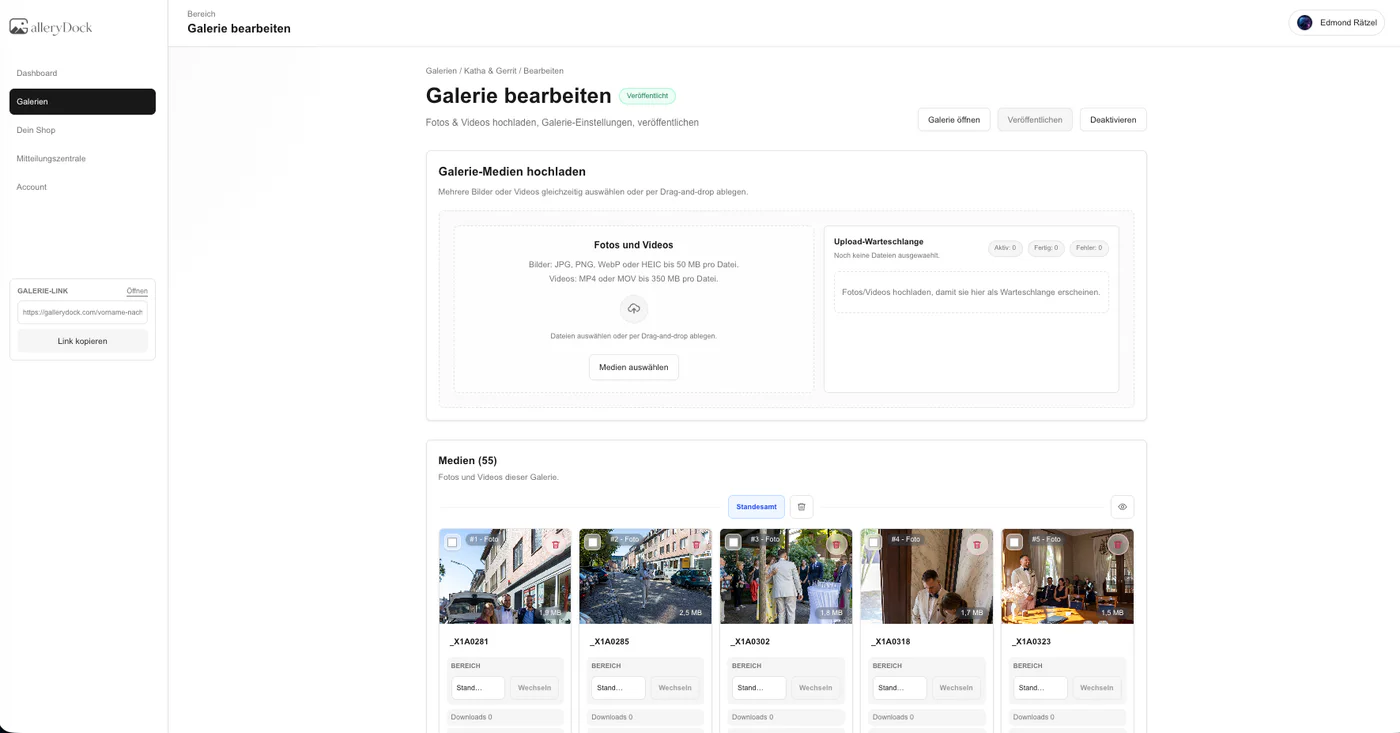
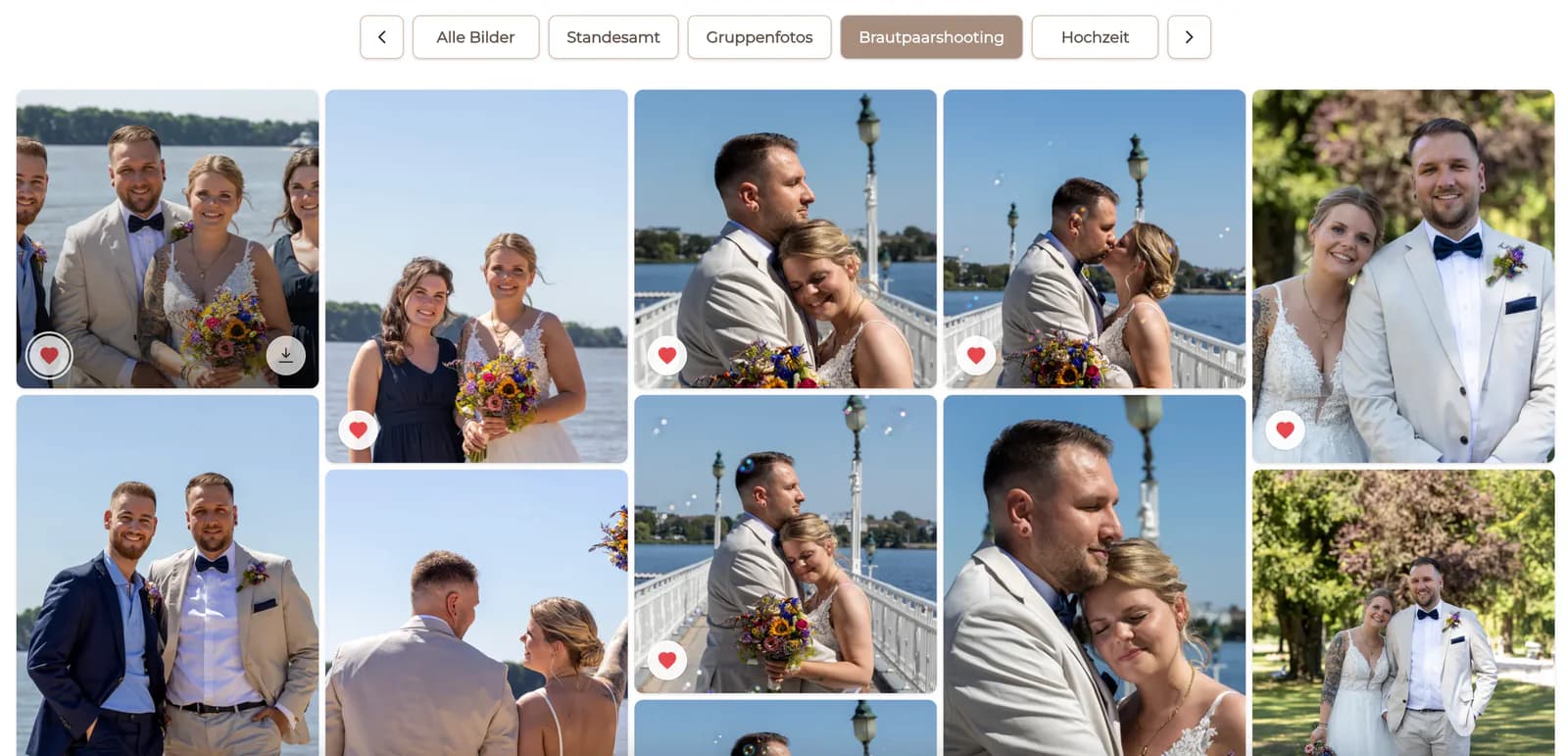
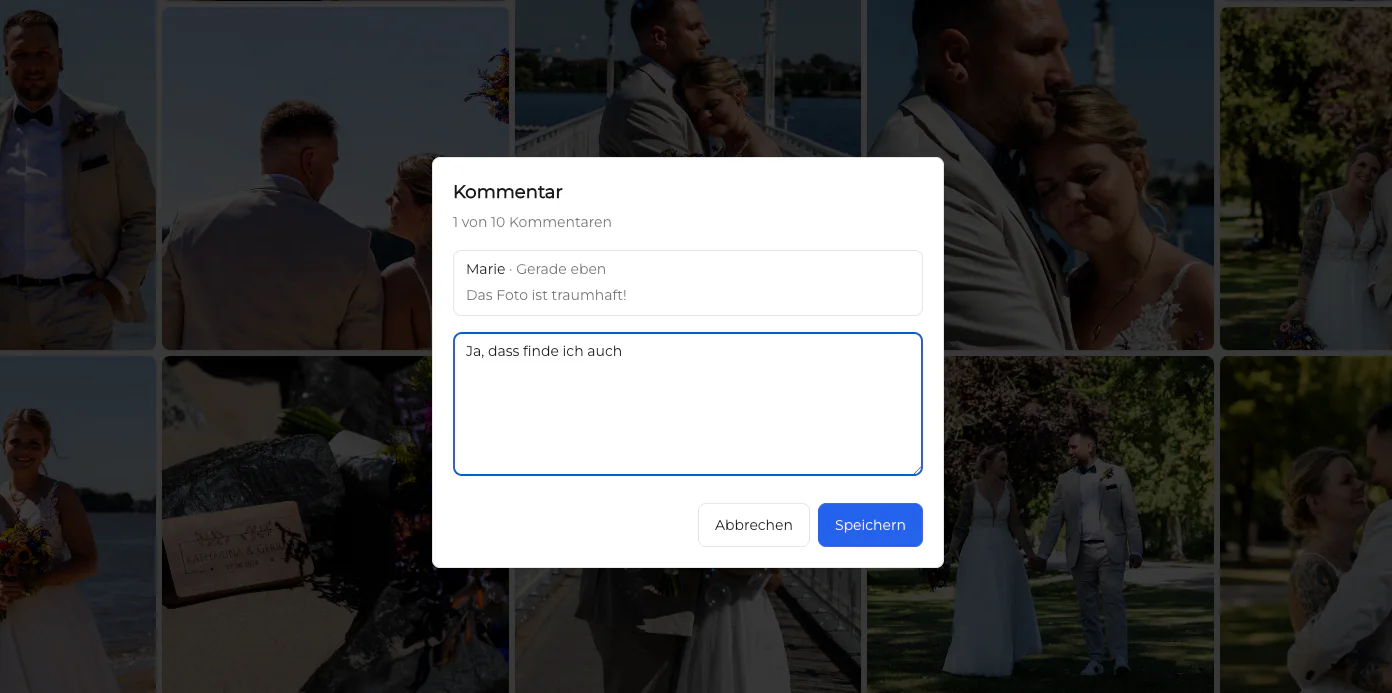
| GalleryDock | Connected private presentation, selection, image comments, delivery, and configured digital or physical sales | Not positioned as a full CRM, website builder, archive, accounting system, or universal lab integration |
| picdrop | Proofing and collaboration with selections, color markers, comments, and visual annotations | Evaluate its broader delivery and team options directly for the plan under consideration |
| Pixieset | A wider photography suite spanning client galleries, store, website, studio management, and editing products | A broad suite may exceed or fit the actual responsibility; compare only the modules the studio needs |
| Pic-Time | Immersive client galleries with connected shop, marketing, design, album, and search capabilities | Do not assume GalleryDock recreates its wider commerce and automation ecosystem |
| ShootProof | Gallery delivery combined with contracts, invoices, booking, selling, and business tools | Keep CRM and financial requirements separate when the decision is only about the client gallery |
| scrappbook | Online galleries, client apps, selection, downloads, and an integrated shop | Verify current plan behavior and operating fit directly rather than copying provider claims into evergreen procedures |
The studio shortlists focused gallery workflows and tests whether clients can view, choose, comment, and receive finals without additional email instructions.
The team compares stakeholder feedback, selection ownership, mobile review, and closeout records while keeping contracts and source archives elsewhere.
The owner decides whether website, CRM, invoice, marketing, and editing products should share one vendor or remain separate from the client-gallery responsibility.
Frequently asked questions
Client gallery software should be compared by its product center and the studio responsibility it can prove with a representative assignment, not by a universal feature count. This documented comparison is not a ranking, test-winner award, or feature-parity claim, and it publishes no competitor prices, fees, storage limits, domains, or outgoing provider links.
Begin with a written statement of whether the studio needs proofing, final delivery, commerce, a broader business suite, or a connected combination. Keep the first test narrow enough to reverse, but realistic enough to expose client questions, team effort, mobile behavior, and the final handoff.
Use official provider product and pricing documentation checked on September 28, 2026, followed by a representative studio pilot for every shortlisted path. A feature label, polished screenshot, or provider reputation is not evidence that the workflow fits your assignments, packages, clients, and operating responsibilities.
Each provider owns only the documented capability tested in its current product; the studio owns the surrounding stack, package, training, support, records, and final decision. Keep source files, redundant backups, contracts, accounting, tax decisions, and legal records in the systems responsible for them.
The main risk is flattening six different product centers into a checkbox contest and assuming that a documented capability fits the studio's plan, clients, or operating stack. Preserve the current process until the pilot has completed, document exceptions, and never remove the only working client or delivery path during evaluation.
Review client completion, support effort, reviewer clarity, final delivery, operational ownership, and the number of surrounding tools or responsibilities the studio must add. Record the result after several representative jobs so the decision survives different clients, devices, project sizes, and team members.
Related resources
Pricing
Free forever
0 EUR
EUR 0 per month
Perfect for sharing your first galleries professionally.
Start free, no credit card required
Monthly
19 EUR
EUR 228 billed yearly. plus VAT
Ideal for photographers who regularly deliver client galleries.
For regular client delivery
Monthly
29 EUR
EUR 348 billed yearly. plus VAT
For photographers managing many projects, videos and growing storage.
For regular client delivery
Choose two product centers that match the real assignment, then test the same curated gallery, client instructions, review task, delivery expectation, and closeout criteria.
Create a free account